3+ in stock


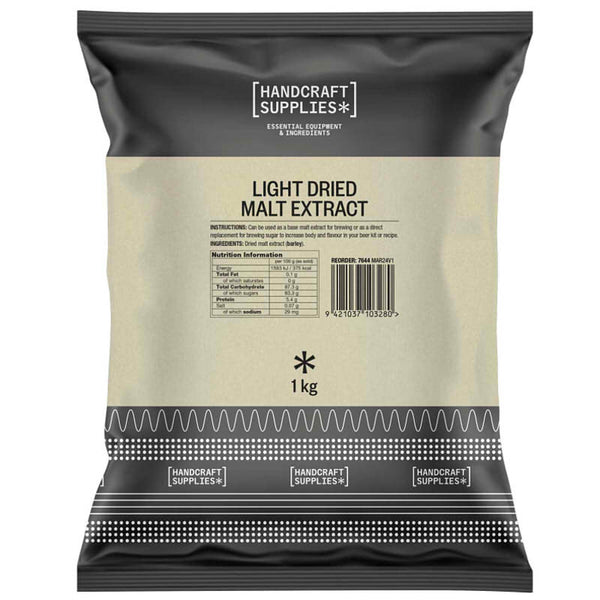
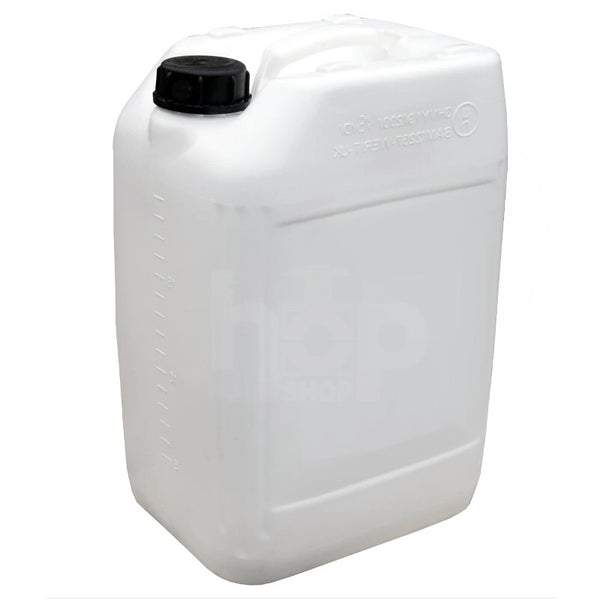
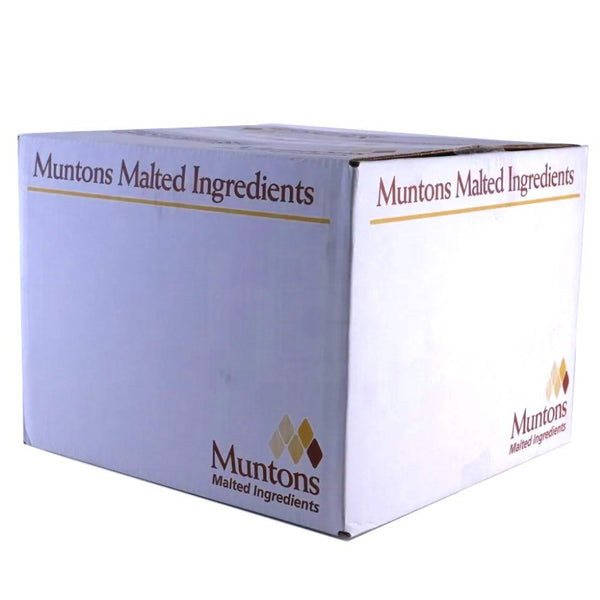
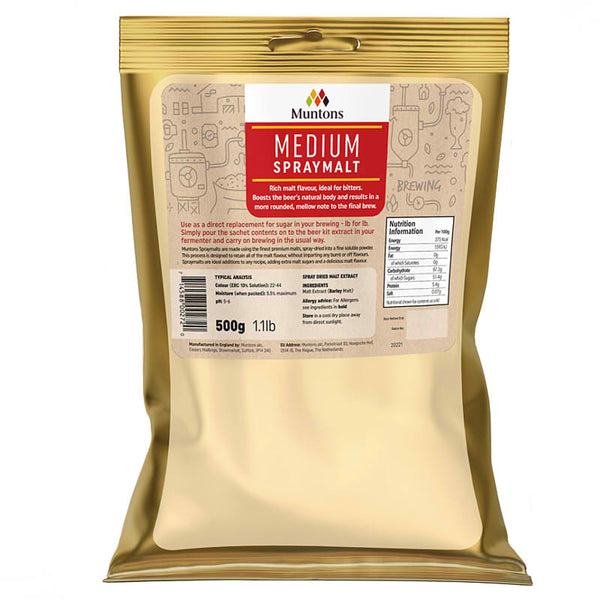
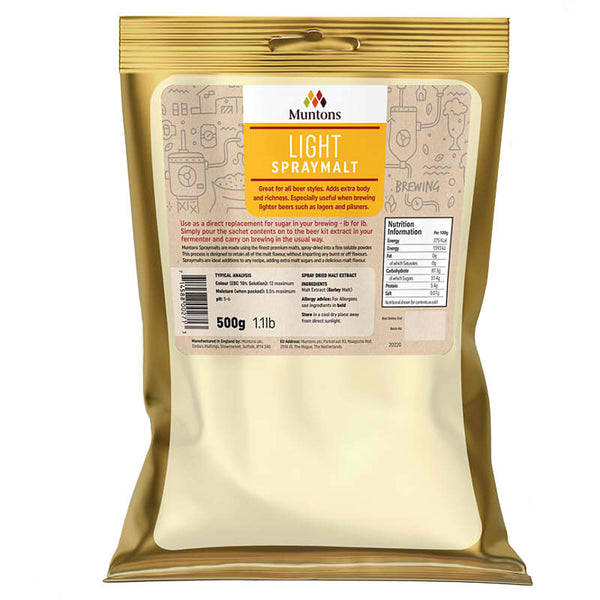
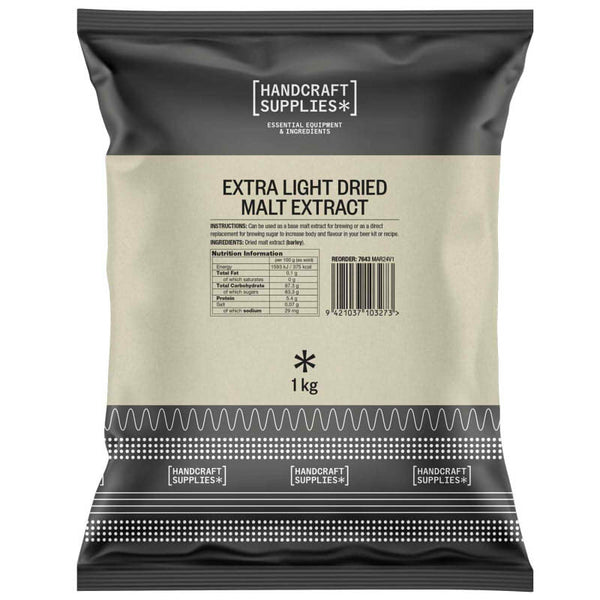
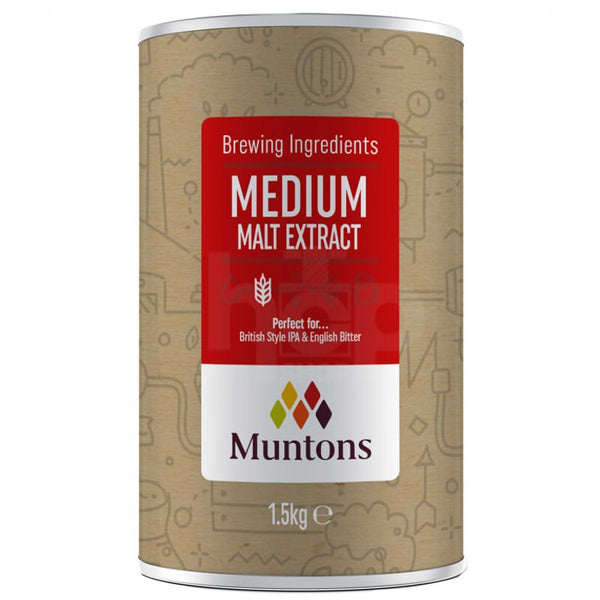
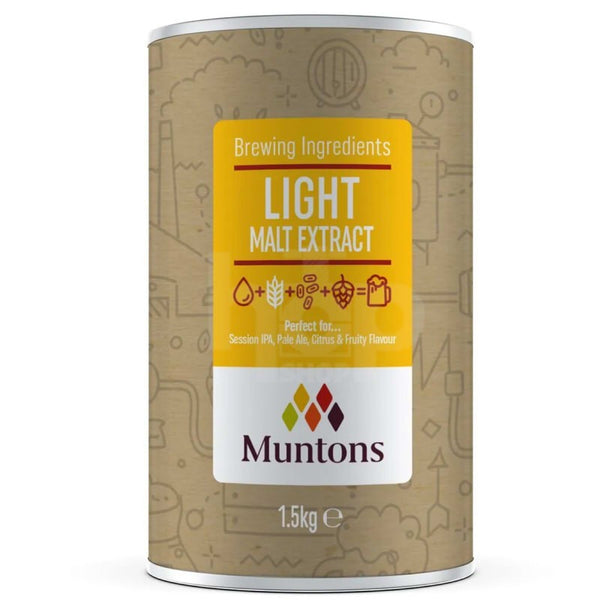
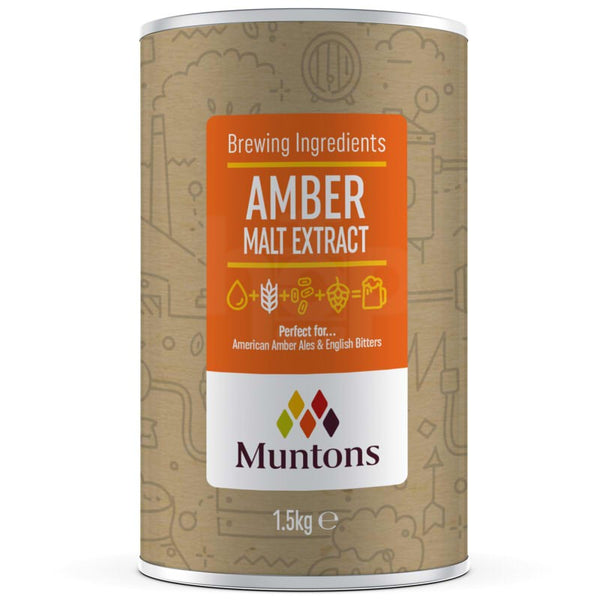
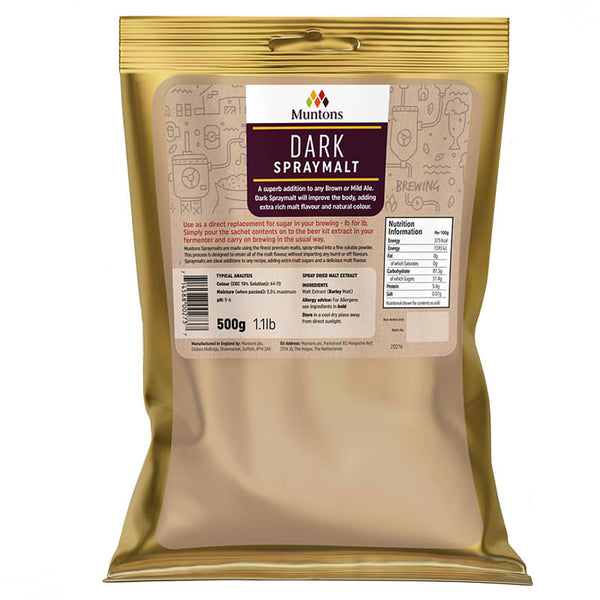
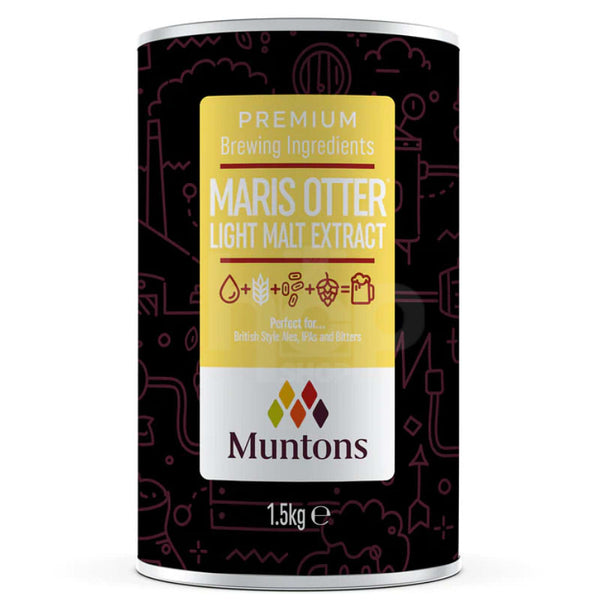
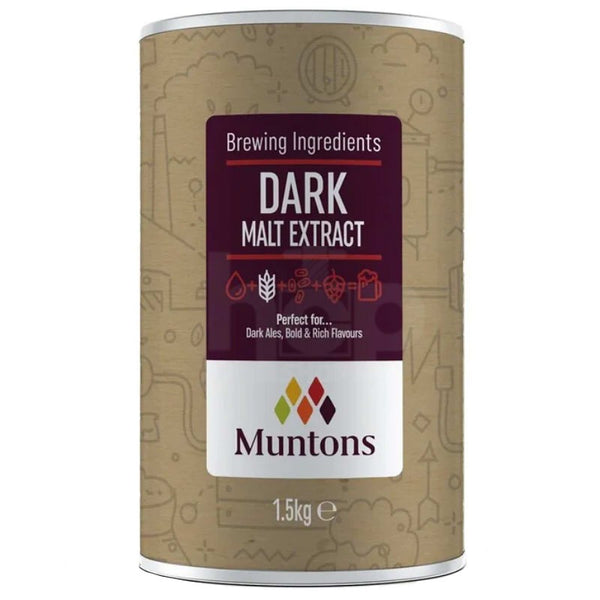
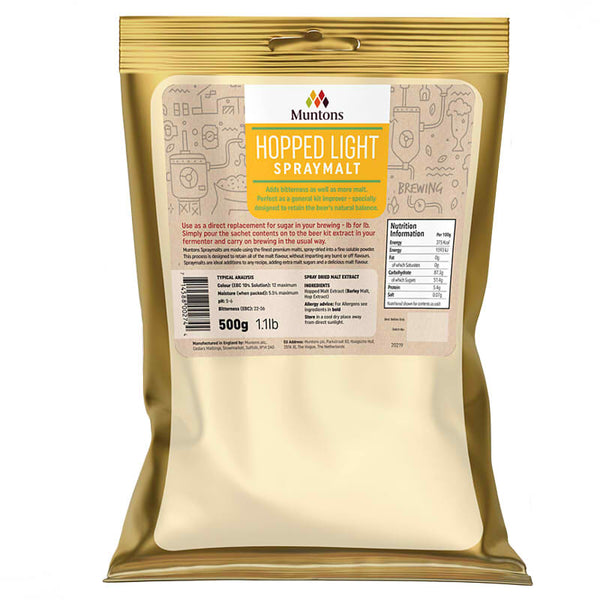
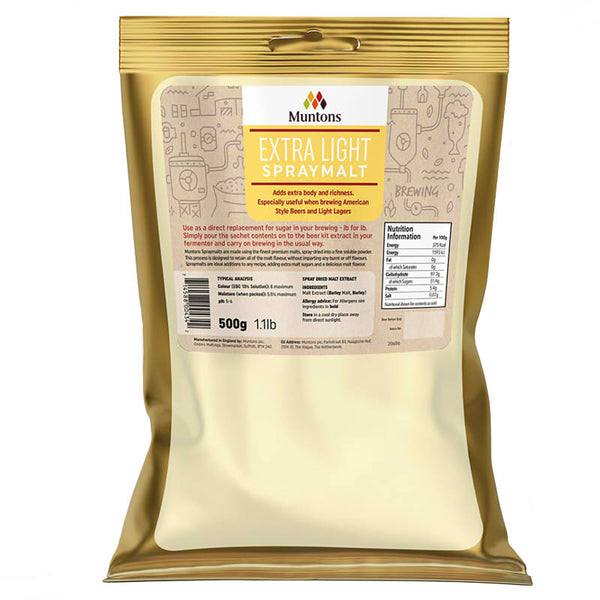
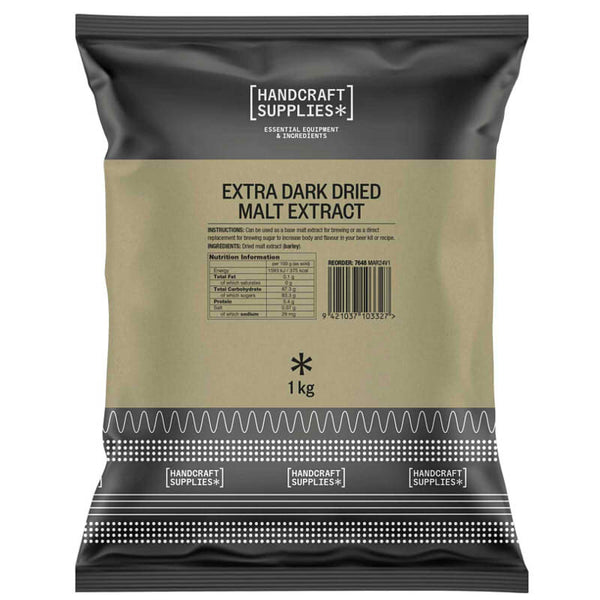
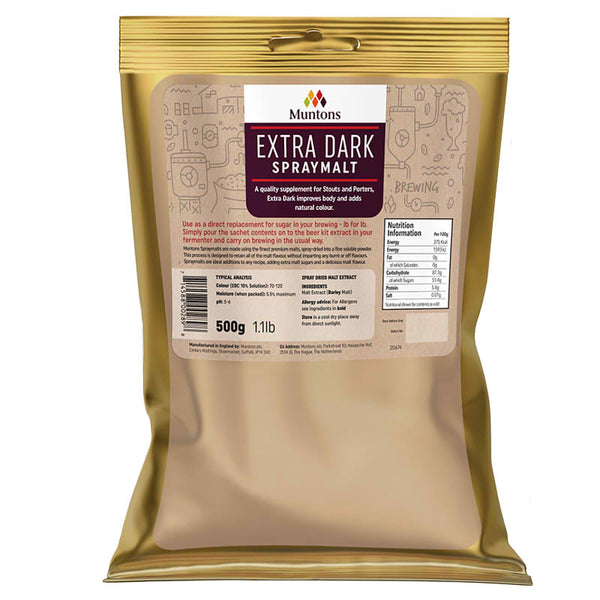
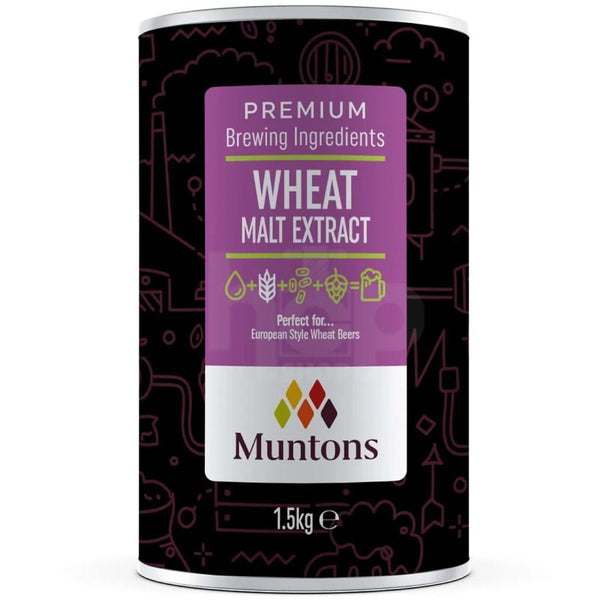
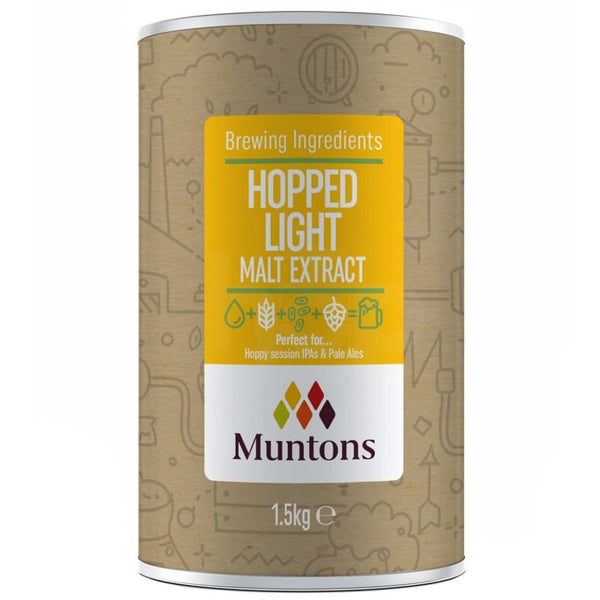
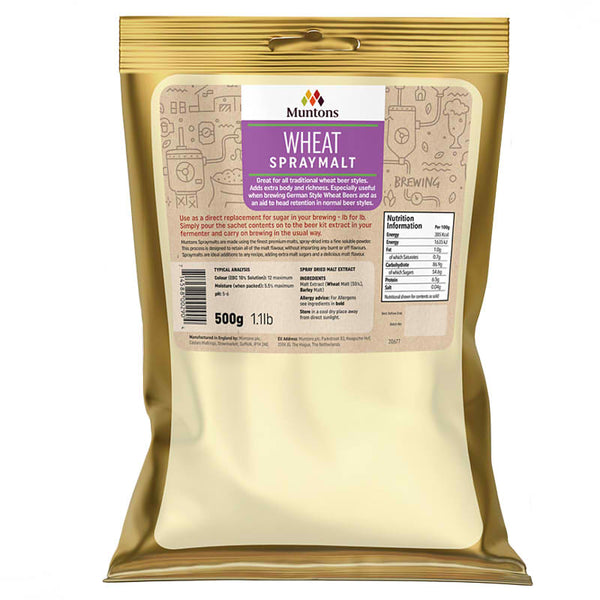
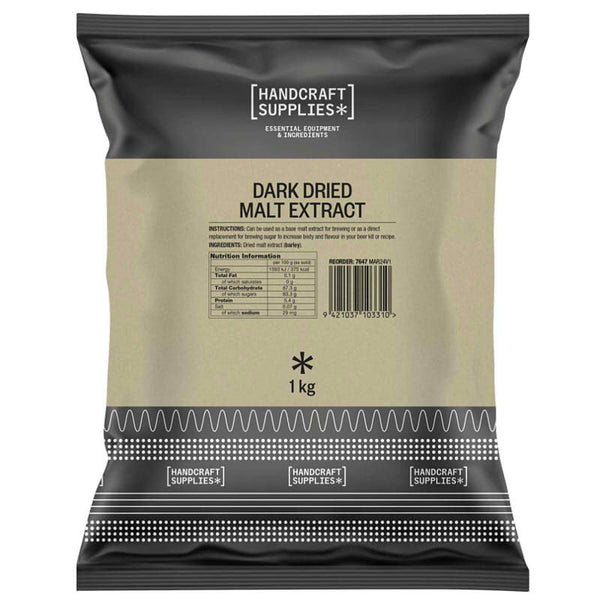
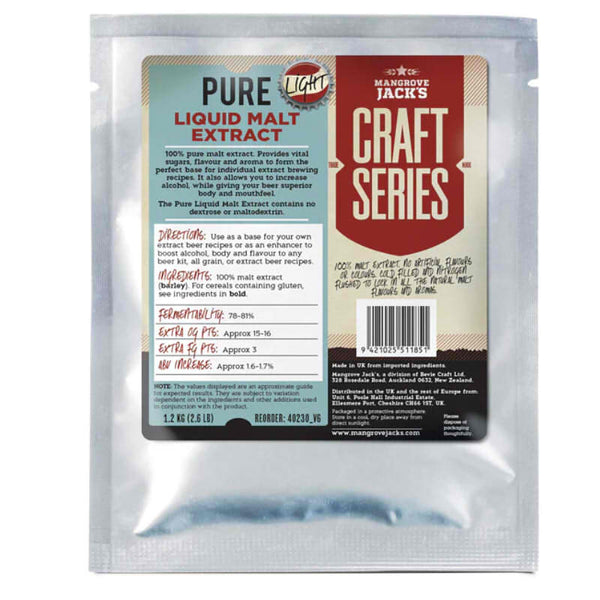
Shop malt extract for home brewing, including dried malt extract (DME or spraymalt) and liquid malt extract (LME). Both provide concentrated malt sugars, colour and flavour without having to mash grain. Choose from light, medium, dark, wheat and specialist extracts for beer kit upgrades or extract brewing recipes.
Use malt extract as the main fermentable ingredient in an extract beer recipe, or add it to a beer kit in place of some or all of the brewing sugar for more malt character and a fuller body. You can brew with extract alongside hops, beer yeast and optional steeping grains; the right variety depends on your beer style.
We stock liquid and dried malt extract from Muntons and Mangrove Jack's, in a full range of colours from Extra Light through to Extra Dark, plus Wheat and Maris Otter variants.
Both produce excellent beer — the choice usually comes down to convenience and how you're using it.
Liquid malt extract (LME) is a concentrated syrup and works well as the fermentable base for extract brewing or as a beer kit addition. It is sticky, so pour it into warm water or wort away from direct heat and stir thoroughly to prevent scorching. We stock Muntons Light LME in 1.5kg tins, Mangrove Jack's Light LME in 1.2kg pouches and selected 25kg bulk packs. Because LME contains water, compare quantities and recipe gravity rather than assuming a kilogram of LME equals a kilogram of DME.
Dried malt extract (DME or spraymalt) is a powdered extract that is convenient to weigh out for small recipe additions, beer kit improvements and full extract brewing. Add it gradually to warm water, stirring to avoid lumps, and protect unused powder from moisture. Our Muntons range includes 500g Light Spraymalt and 1kg Light Dried Malt Extract, with other colour grades and bulk sizes listed in this collection subject to current availability.
Malt extract colour directly affects the colour and flavour of your finished beer. As a general guide:
One thing we'd always recommend: if you're upgrading a kit, match the extract colour to the style. Using dark extract in a lager kit will muddy the colour and flavour. Light or Extra Light is the safest choice for most kit upgrades if you're not sure.
For a typical beer kit, a useful starting point is around 1kg of dried malt extract or approximately 1.2kg of liquid malt extract in place of 1kg of brewing sugar. These are rough substitution guides, not exact equivalents: different products have different solids and fermentability, so the beer's final gravity, body and flavour may change. Follow your kit or recipe instructions and take a hydrometer reading if you want to hit a particular original gravity.
You can also use a partial replacement — half malt extract, half brewing sugar — which gives a noticeable improvement in body without as much impact on fermentation time or attenuation. This is a good starting point if you've never tried it before.
Yes — extract brewing uses malt extract as the primary fermentable base, combined with hops, yeast, and optionally some specialty malts and grains steeped for colour and flavour. It's a genuinely capable brewing method that produces excellent beer without the need for a mash tun or full all-grain setup. Our Extract Brewing Methodology guide covers the process in detail.
Our Muntons Hopped Light LME and Hopped Light Spraymalt already contain hop-derived bitterness or character. Whether you need additional hops depends on the recipe and the bitterness and aroma you want. For precise hop control in a new recipe, unhopped extract is generally the more flexible choice.
For most styles, yes. Brewing sugar (dextrose) ferments out almost completely, leaving little behind in terms of flavour or body. Malt extract contributes unfermentable dextrins that add body and mouthfeel, as well as malt flavour and colour. The difference is most noticeable in lagers and pale ales, where the base beer is relatively light. For very dry styles, brewing sugar may actually be the right choice — but for most home brewers, malt extract produces a noticeably better result.
Keep unopened products in a cool, dry place and follow the best-before date and storage guidance on the pack. Once opened, liquid malt extract should be tightly sealed, protected from contamination and used promptly in line with the maker's advice. Dried malt extract absorbs moisture readily, so transfer leftovers to an airtight container and keep them dry.
Yes — blending is a common technique in extract brewing. A typical approach might be 80% light extract as the base with 20% dark or amber extract to add colour and character without making the beer too heavy. This gives you more control over the finished colour and flavour than using a single extract colour alone.
It depends on what you're making. Unhopped extract beer recipes commonly call for a boil, particularly when adding hops for bitterness. Many pre-hopped beer kits instead ask you to dissolve the extract in hot water without a full boil. Follow the product or recipe instructions, use clean and sanitised equipment, and avoid scorching syrup on the bottom of a hot pan.
Both are quality products that produce excellent beer. Muntons is a long-established British maltster with a wide range including the Maris Otter variant — a good choice if you want a traditional British ale character. Mangrove Jack's offers a clean, consistent extract well suited to a wide range of styles. The differences between brands are subtle — colour and style matching matters more than brand for most recipes.
The Hop Shop is a homebrew specialist based in Plymouth, Devon. We stock brewing malt extract from Muntons and Mangrove Jack's for kit upgrades, traditional ales and extract beer recipes. Order online for UK delivery, with free standard delivery on eligible UK mainland orders over £70, or contact us if you need help choosing the right extract.
Free Delivery over £70 T&C apply. Click for more information.

Orders under 2KG can be shipped with the Post Office
Tracked 24: 1–2 working days – £5.95
Tracked 48: 2–3 working days – £4.95

Orders over 2KG will be shipped with a courier
Express delivery: 1–2 working days – £6.95
Fully tracked service

Click & collect from our Plymouth shop – FREE
Ready within 2 hours
Delivery times listed above are estimates and are not guaranteed.