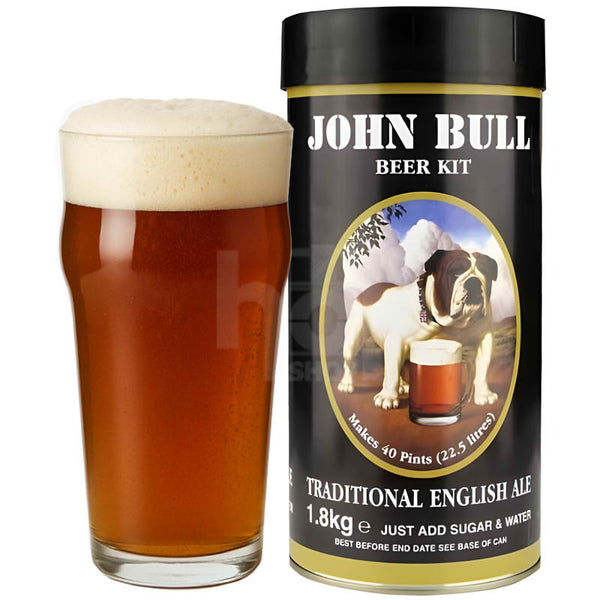
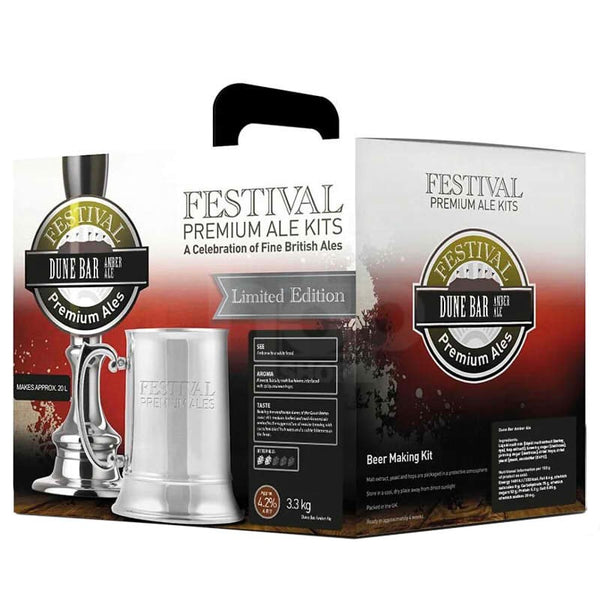
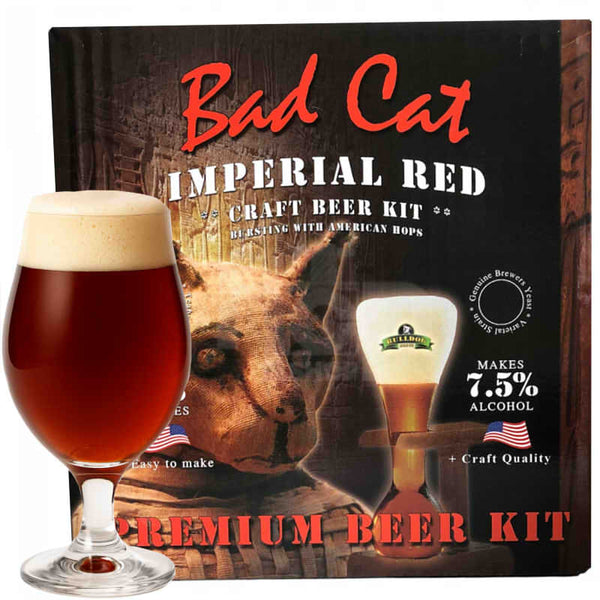
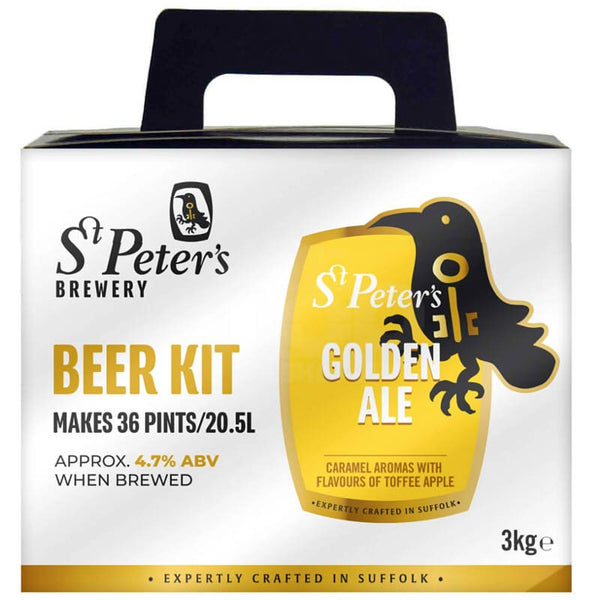
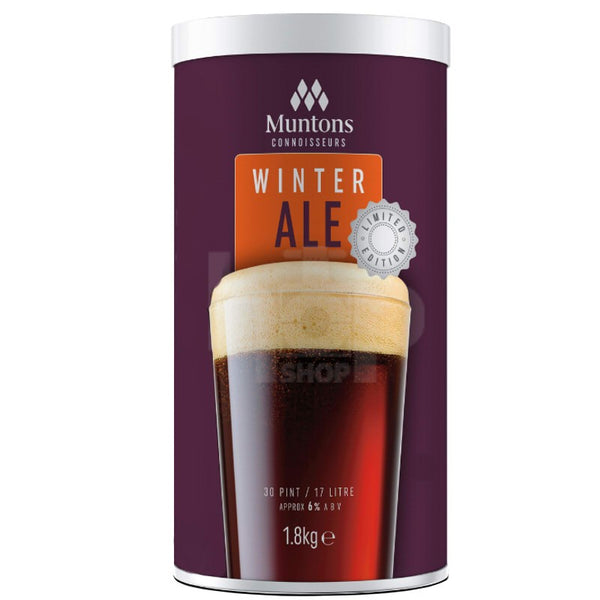
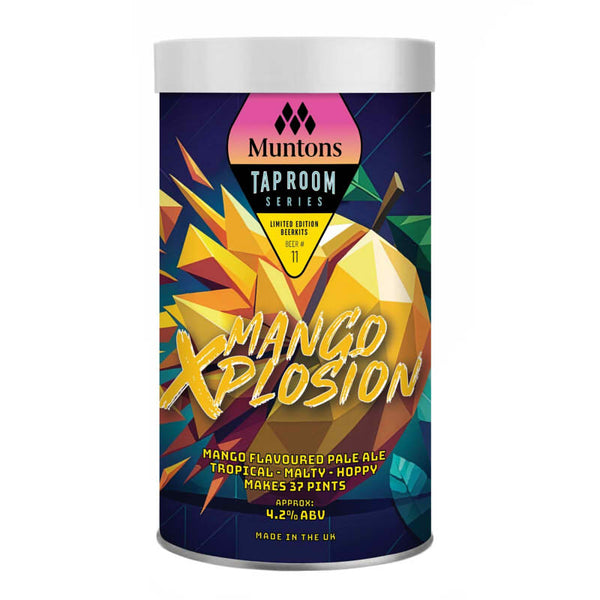
Choose a home brew ale kit for the kind of pint you enjoy: a lighter golden ale, a balanced amber ale, a richer red ale or a malty brown ale. Compare kits from Coopers, Muntons, Festival, St Peter's and other home brewing brands, with different batch sizes and ingredients to suit your next brew.
Most kits here provide brewing ingredients rather than equipment. Check the product description for the included malt extract, yeast and hops, and whether you need extra brewing sugar, beer enhancer or malt extract. If you are starting without equipment, browse our beer starter kits before choosing.
Which Home Brew Ale Kit Should I Choose?
-
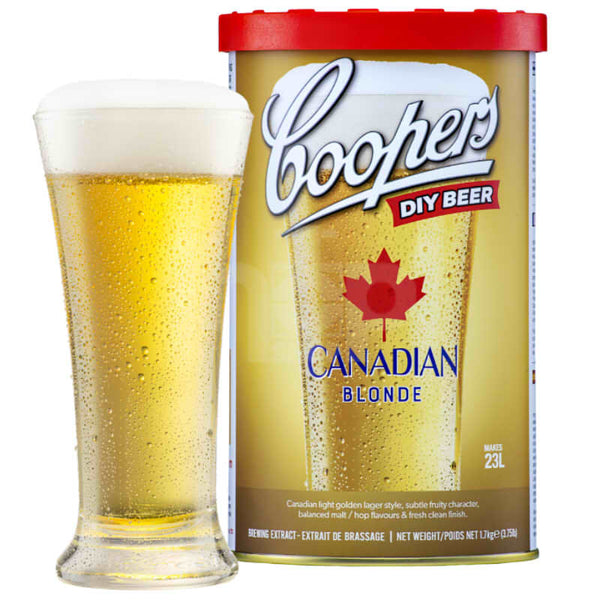
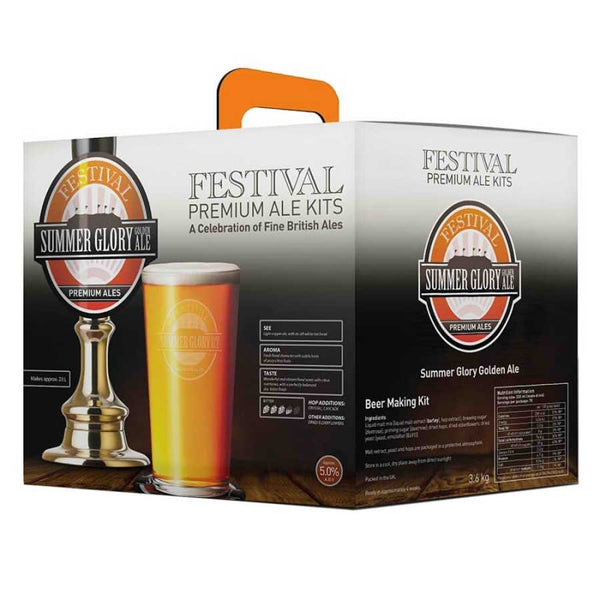
Golden ale: a lighter-coloured pint that can range from gently balanced to noticeably hoppy. Festival Golden Stag Summer Ale is a citrus-led example with a dry, bitter finish.
-
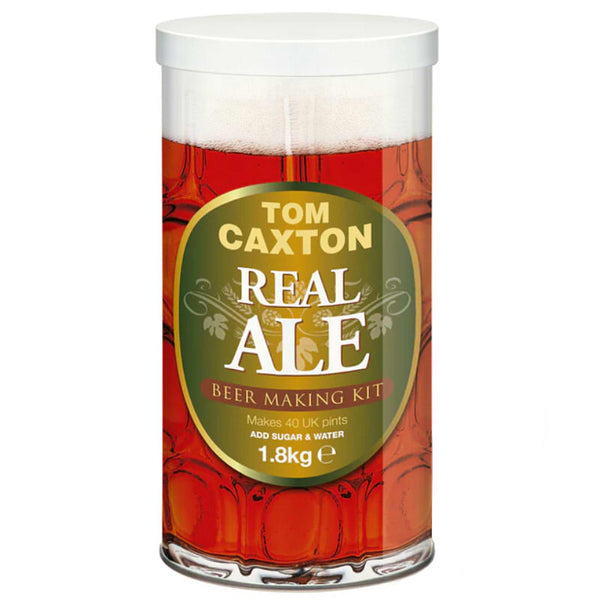
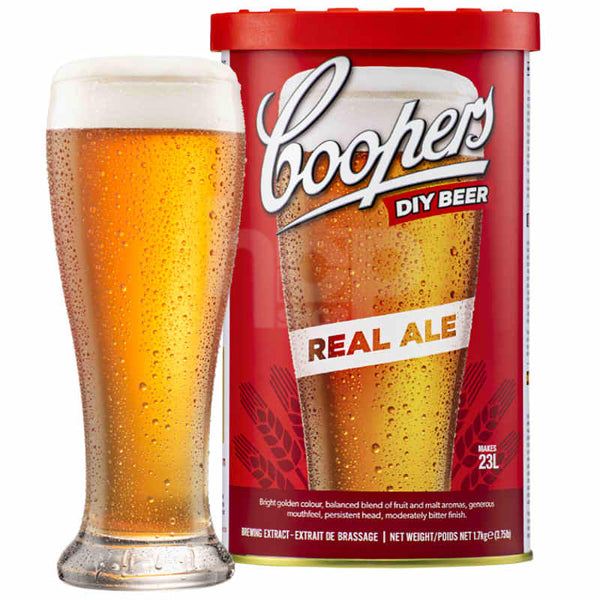
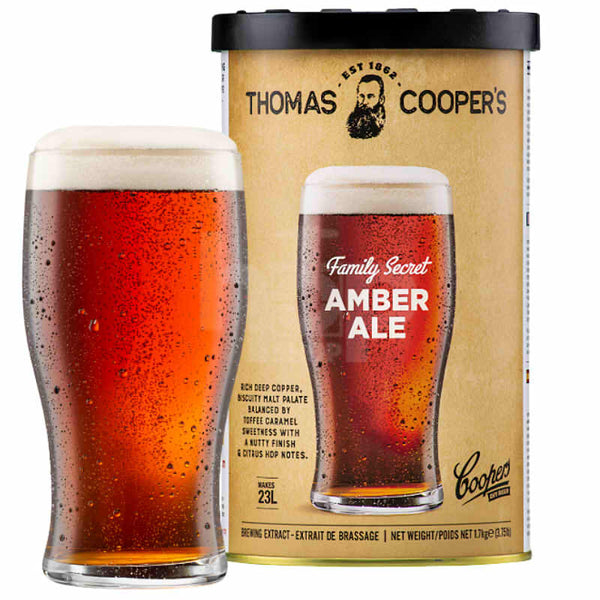
Amber or traditional ale: a starting point for malt character alongside hop bitterness. Coopers Real Ale makes an amber beer with fruity and floral notes; its listed additional fermentables are required separately.
-
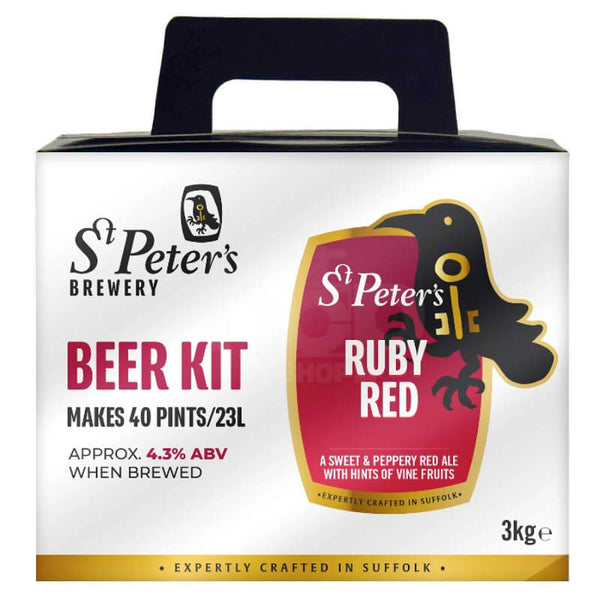
Red ale: compare the recipe rather than judging only by colour. St Peter's Ruby Red Ale includes malt extract, hop powder and yeast, with no extra brewing sugar required for the main fermentation.
-
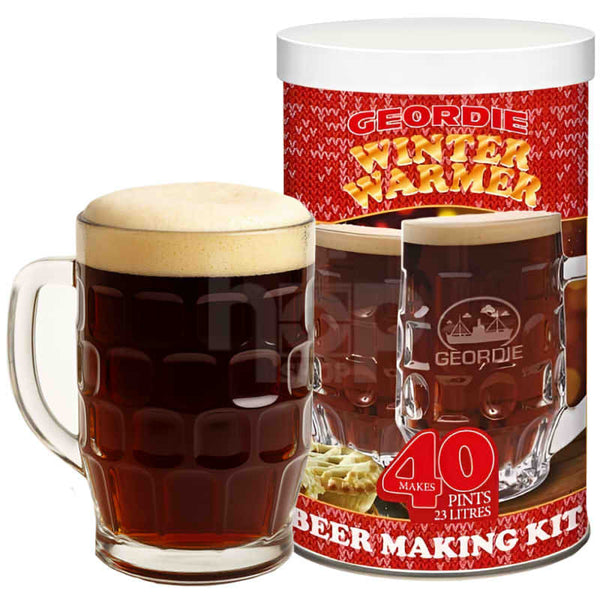
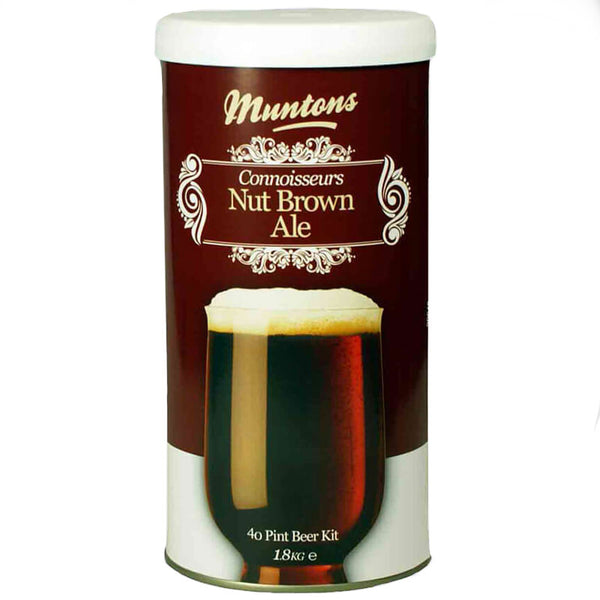
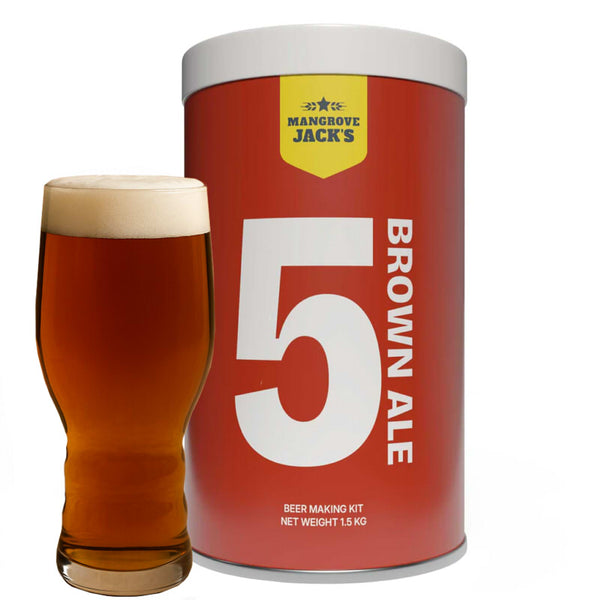
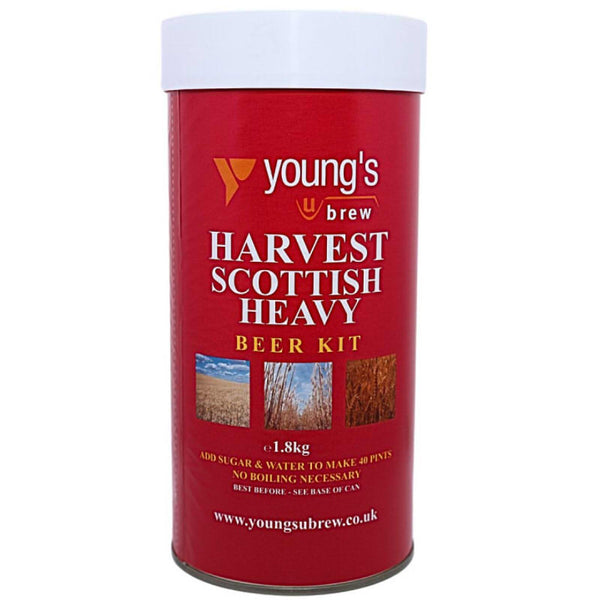
Brown or strong ale: look here for darker malt character or a fuller-strength brew. Check each kit's flavour notes, intended strength and conditioning guidance.
For a more specific style, compare our bitter kits, pale ale kits and IPA kits. The broader beer kit collection also includes lager, stout and porter.
Check What You Need to Add
The number of cans or pouches does not tell you everything. Many smaller malt-extract kits need additional fermentables; some larger kits provide what is needed for the main fermentation. Separate dry hops, yeast and priming sugar also vary between recipes. Use the individual contents list and instructions as your checklist.
Where required, choose the specified brewing sugar or beer enhancer, or the recommended quantity of malt extract. These are not always interchangeable by weight. Packaging in bottles or a pressure barrel may need a separate priming addition even when no sugar is required for the main fermentation.
Ingredients, Equipment and Batch Size
A typical extract ale kit needs a fermenter, cleaner and sanitiser, hydrometer, thermometer and a way to transfer and package the beer. Bottles, closures or a suitable pressure barrel are normally separate purchases. Some starter kits include both equipment and ingredients; others supply equipment only.
Many kits make around 40 UK pints, approximately 23 litres, but smaller and stronger recipes vary. Follow the stated final volume, fermentation temperature and conditioning instructions for your chosen kit. All-grain brewing uses a different process and extra equipment; see our all-grain beer kits if that is your preferred method.
Home Brew Ale Kit FAQs
Is an ale kit suitable for a first brew?
A pre-hopped malt-extract kit can be a straightforward starting point. Choose a style you enjoy, check the required additions and make sure you have fermentation and packaging equipment. Follow the supplied yeast's temperature guidance rather than assuming any room temperature will suit.
Do all ale kits need extra sugar?
No. Some require brewing sugar, enhancer or malt extract for the main fermentation; others include enough malt extract already. Priming sugar for carbonation is a separate requirement. Check both stages in the instructions.
How long before my ale is ready to drink?
Allow time for fermentation, carbonation and conditioning. This normally means several weeks, with some stronger ales benefiting from longer. Use the kit guidance and suitable stable hydrometer readings to confirm fermentation is complete before packaging.
Can I serve kit ale from a pressure barrel?
Many traditional ale styles suit a pressure barrel intended for homebrew. Check the kit's carbonation guidance and the vessel's instructions; bottles or other suitable kegging equipment may be preferable for more highly carbonated styles.
Helpful Brewing Guides
Read our guide to choosing and brewing an ale kit, compare beer enhancer and brewing sugar, or learn about liquid and dried malt extract.