
3+ in stock

Hops are what give beer its bitterness, flavour, and aroma — and choosing the right variety makes a bigger difference to the finished beer than most beginners expect. We stock over 100 hop varieties in pellet and whole leaf form, all sourced from Charles Faram, one of the UK's most respected hop merchants with over 150 years in the trade. Whether you're dry hopping a hazy IPA, bittering a traditional bitter, or adding late aroma to a lager, you'll find the right hop here.
All hops are available in 100g packs (50g for the Mangrove Jack's range), which is a practical size for most home brew recipes. If you're not sure where to start, the variety guide below covers the most popular options by style and flavour profile.
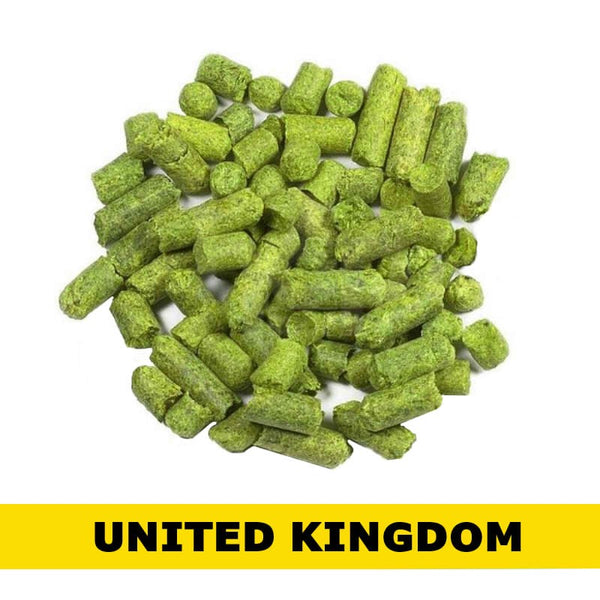
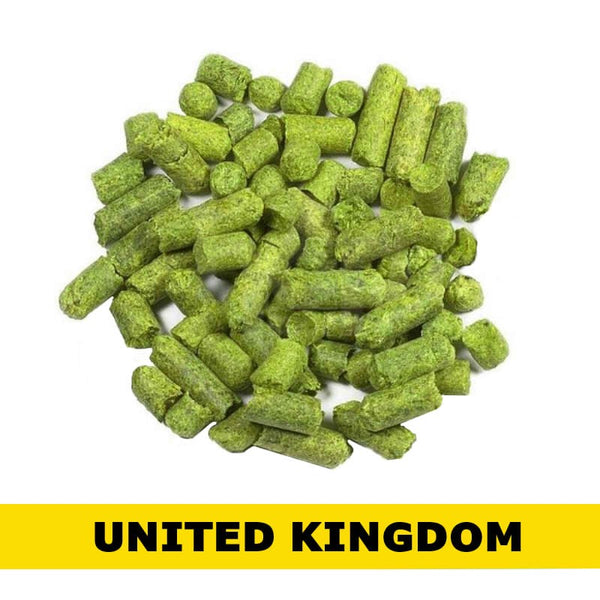
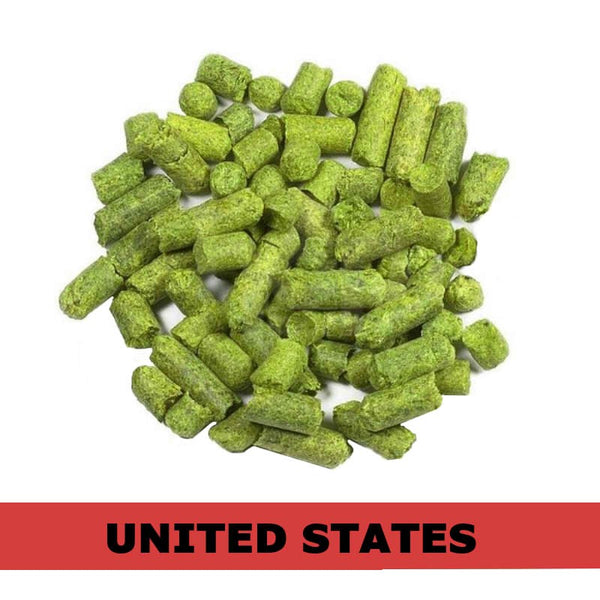
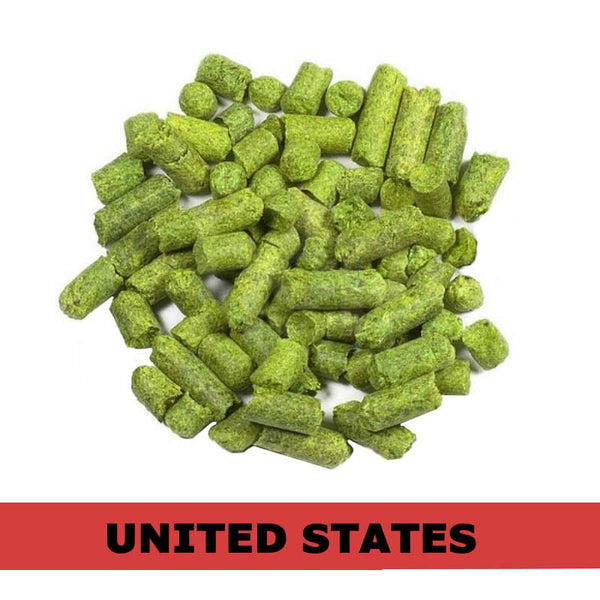
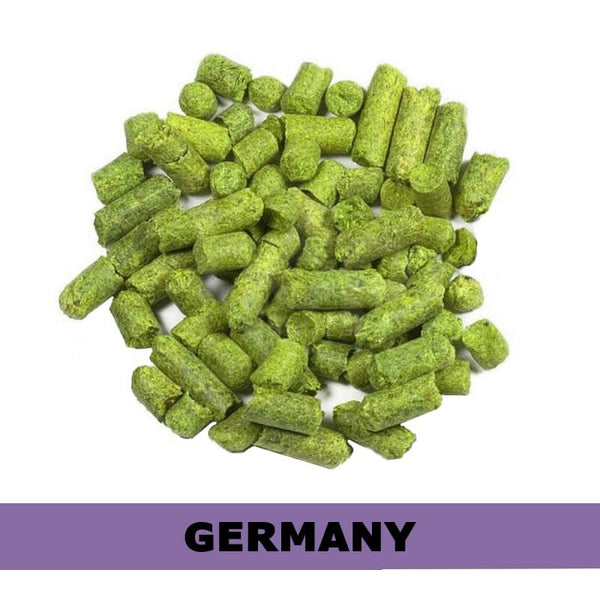
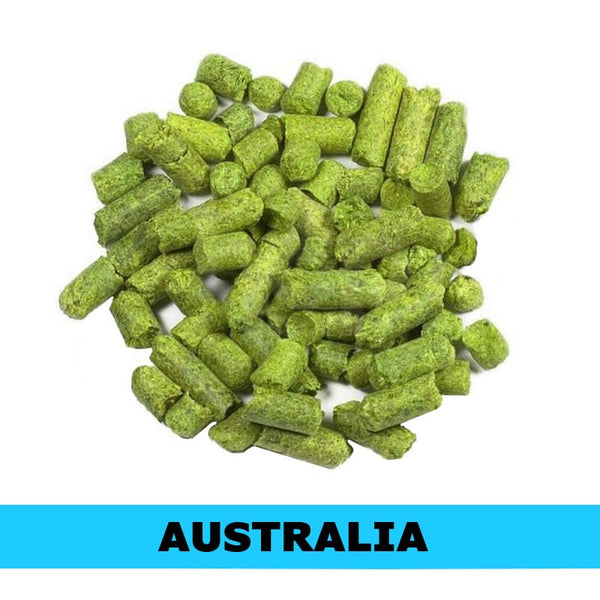
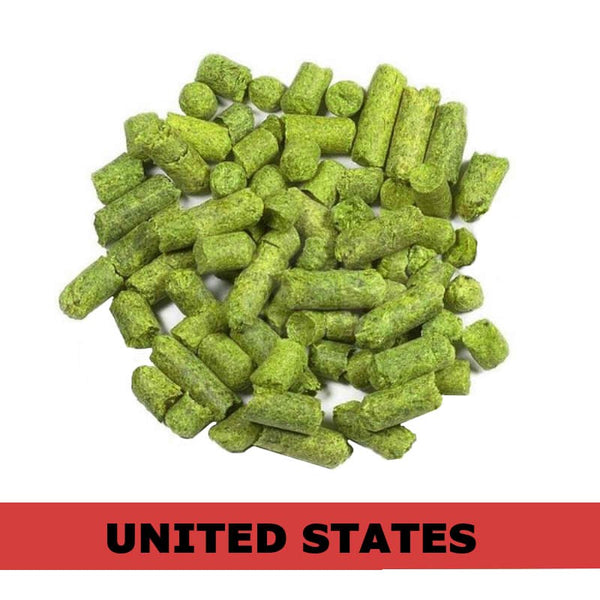
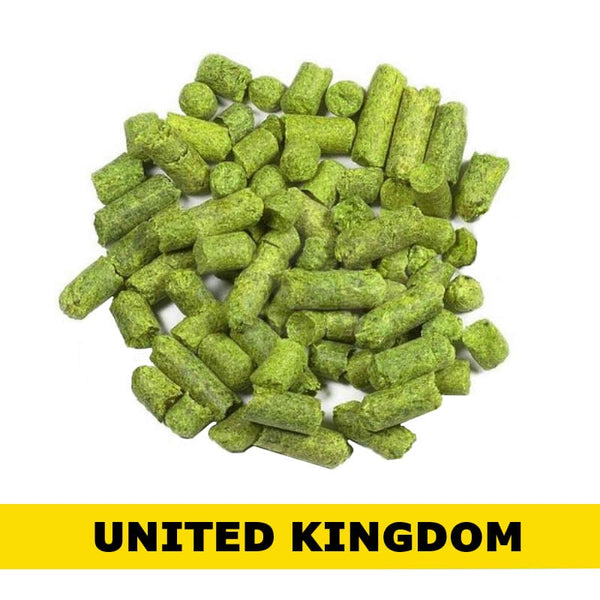
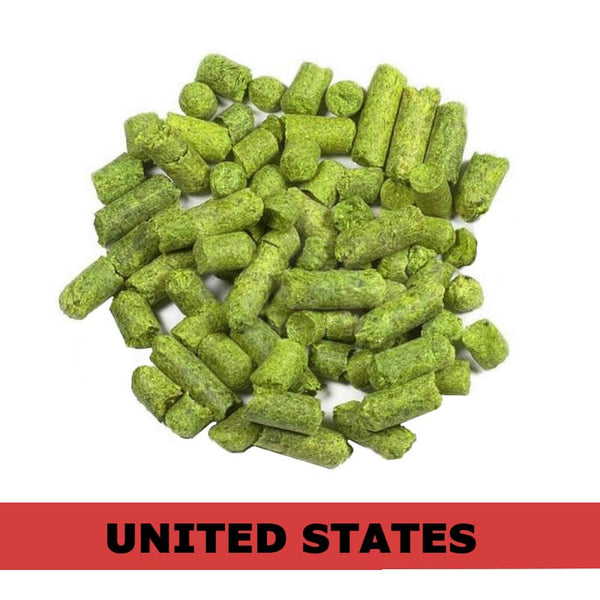
Hop pellets are the most widely used format in home brewing. They're compressed and consistent, store well in the freezer, dissolve easily into the wort, and are straightforward to measure. Most modern recipes are written for pellets. For most home brewers, pellets are the right choice.
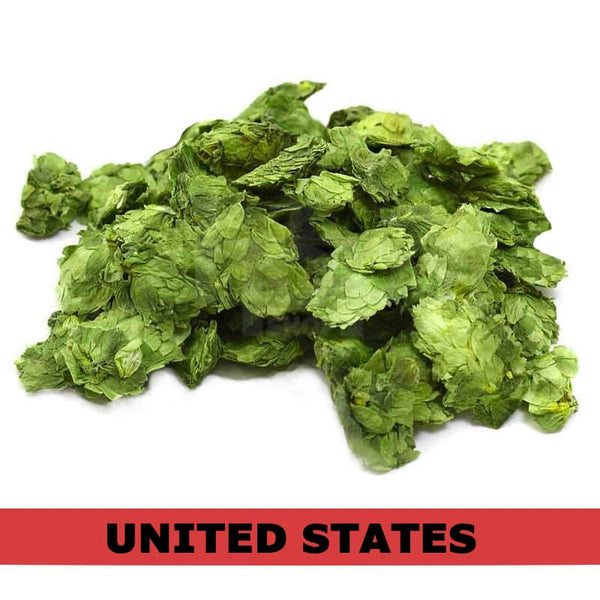
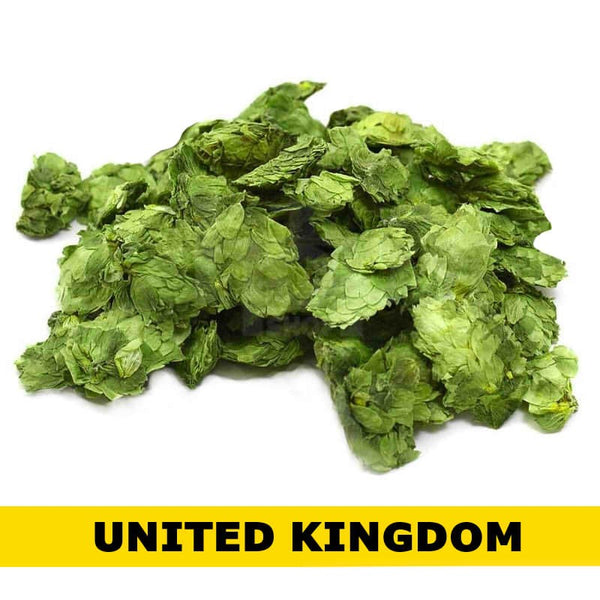
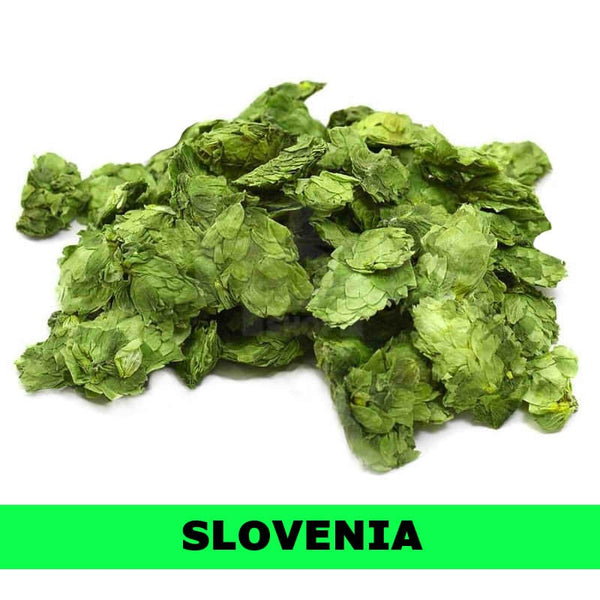
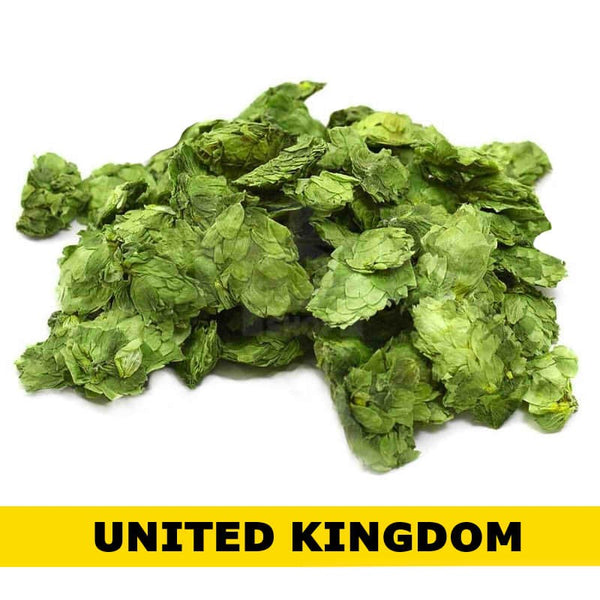
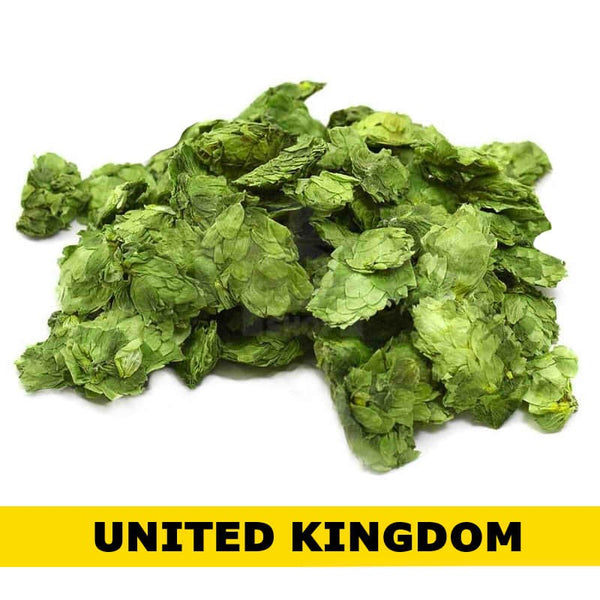
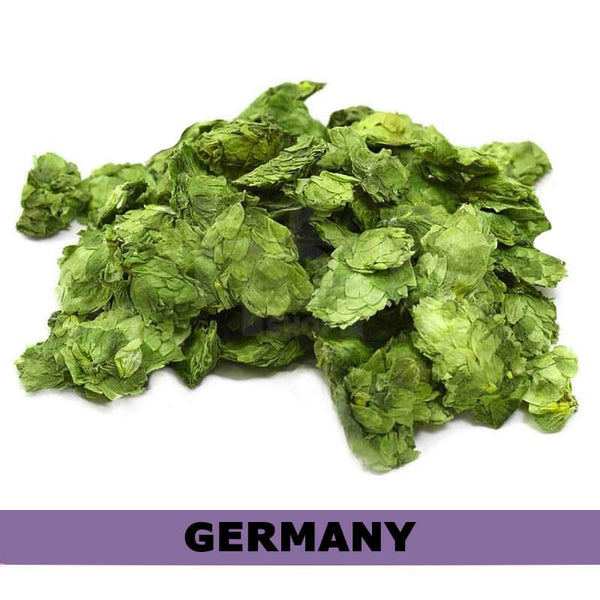
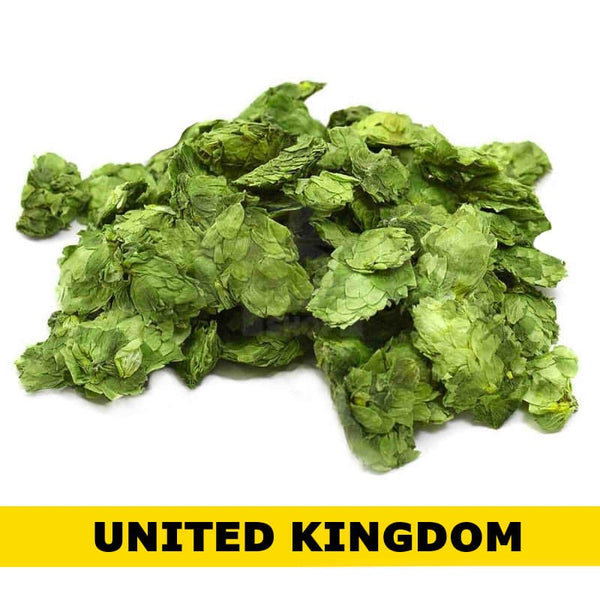
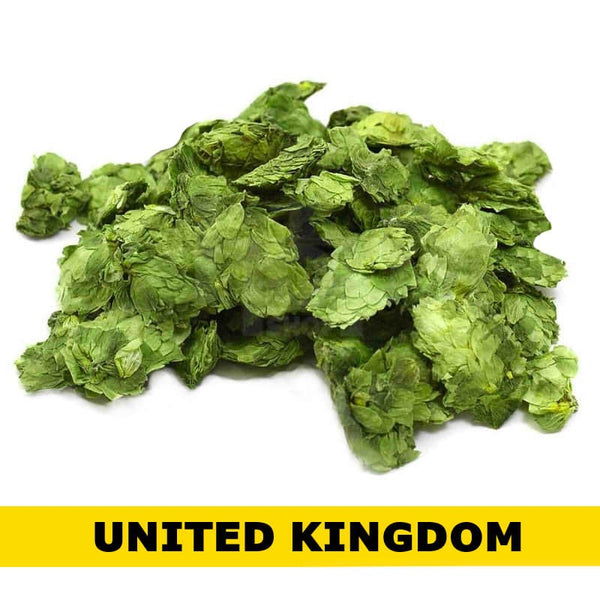
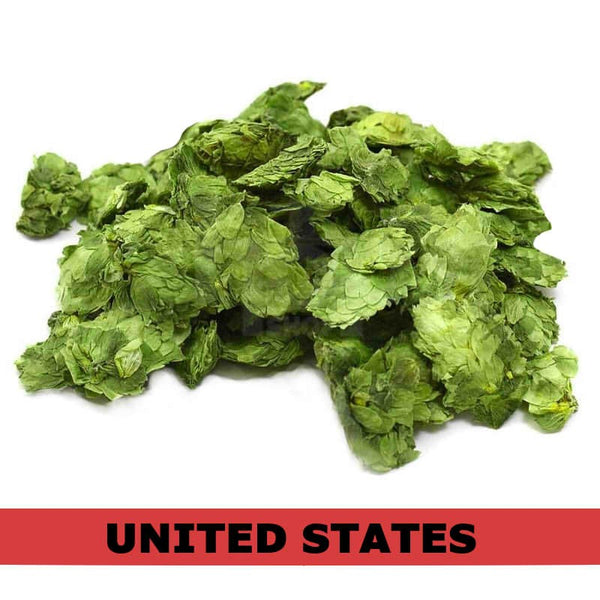
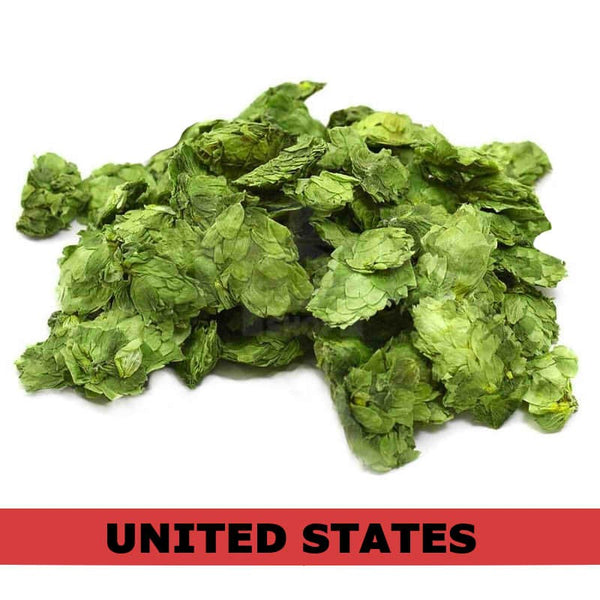
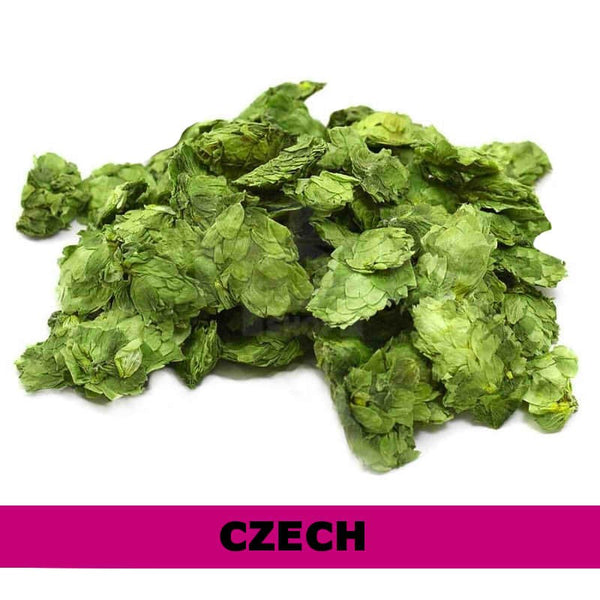
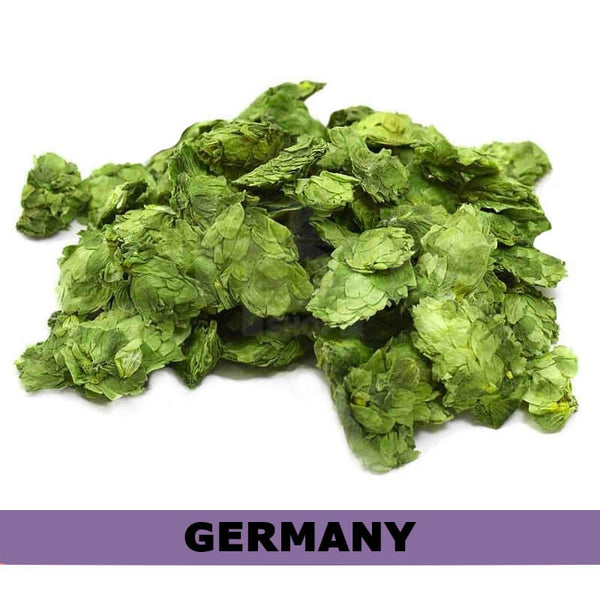
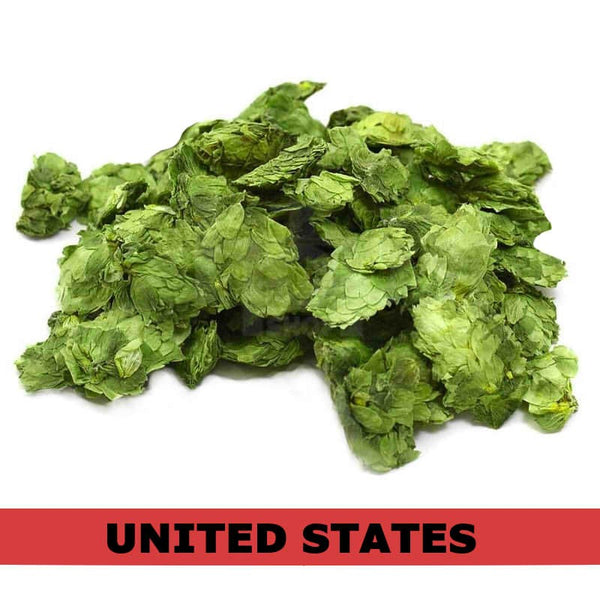
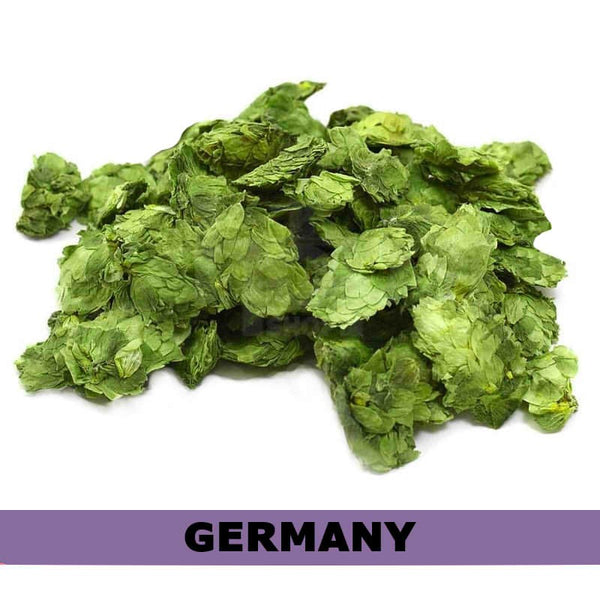
Whole leaf hops are the natural, dried cone form. Some brewers prefer them for dry hopping — they can be easier to remove from the fermenter — and many traditional British ale recipes were written with whole leaf in mind. They take up more space and require slightly more careful storage, but produce excellent results. We stock whole leaf versions of the most popular British and classic varieties including Fuggles, Goldings, Challenger, Cascade, Citra, Amarillo, Saaz, and more.
British varieties are the backbone of traditional ales, bitters, and porters. They tend towards earthy, floral, and herbal characters rather than the bold fruit of American or New World hops.
American varieties drove the craft beer revolution and remain the go-to choice for IPAs, pale ales, and anything with bold citrus or tropical fruit character.
European noble and near-noble varieties are the foundation of lagers, pilsners, wheat beers, and many classic continental styles.
Australian and New Zealand varieties have become increasingly popular for their distinctive tropical and stone fruit characters.
Charles Faram also breed and develop their own UK varieties, some of which are exclusive to their range:
If you're new to hops and find variety names confusing, the Mangrove Jack's range takes a different approach — each sachet is labelled by flavour profile rather than variety name. H1 Citrus, H2 Tropical, H3 West Coast, H4 Stone Fruit, H5 Pacific, H6 Fruity, H7 Zesty, H8 Floral, H9 Herbal, and H10 Earthy. Available in 50g sachets — a good option for kit upgrades and first-time hop additions.
Hops added at the start of the boil (60 minutes or more) contribute bitterness but little flavour or aroma — the volatile compounds that carry flavour and aroma are driven off by the heat. High-alpha, clean varieties like Magnum, Target, and Northern Brewer are commonly used here, as their flavour contribution is minimal and their bitterness is clean and efficient.
Hops added in the last 10–15 minutes of the boil contribute both flavour and some aroma. This is where varieties like Cascade, Amarillo, and East Kent Goldings really shine.
Dry hopping means adding hops directly to the fermenter after primary fermentation, without heat. This extracts aroma compounds without adding bitterness — it's the technique behind the intense hop aroma in modern IPAs and pale ales. Citra, Mosaic, Galaxy, and Nectaron® are all excellent dry hop choices. Leave for 3–5 days before packaging.
You don't need to brew from scratch to use hops. Adding a 20–30g dry hop addition to a beer kit during fermentation is one of the simplest and most effective upgrades you can make — particularly for IPA and pale ale kits. Use our IBU Calculator to estimate bitterness if you're adding hops to the boil.
The distinction is mostly about when they're added rather than the variety itself. Hops added early in the boil (60+ minutes) contribute bitterness — the heat drives off the volatile aroma compounds. Hops added late (last 10–15 minutes) or after fermentation (dry hopping) contribute flavour and aroma with minimal bitterness. Many varieties are "dual purpose" and work well at multiple addition points — Cascade, Mosaic, and Citra are good examples.
Hops degrade quickly when exposed to heat, light, and oxygen. Store them in the freezer in a sealed bag or airtight container. Pellets store better than whole leaf and will keep for 12–18 months frozen without significant deterioration. Whole leaf hops are best used within a season. Always reseal the pack tightly after use.
It depends on the style, the alpha acid content of the variety, and the addition point. For a dry hop addition to a beer kit, 20–30g is a good starting point. For bittering in a full extract or all-grain brew, use our IBU Calculator to work out the right quantity based on alpha acid and boil time. As a general rule, high-alpha varieties (Magnum, Target) need less; low-alpha aroma varieties (Saaz, Fuggles) need more.
Yes — and most recipes do. Blending varieties at different addition points is how you build complexity. A common approach is a clean high-alpha hop for bittering (Magnum, Target), a flavour-forward variety at 10–15 minutes (Cascade, Amarillo), and an aroma-focused variety for dry hopping (Citra, Galaxy, Mosaic). Start simple and build from there.
For a classic American IPA: Cascade or Centennial for bittering, Amarillo or Citra for late additions, and Citra, Mosaic, or Galaxy for dry hopping. For a hazy NEIPA: Citra, Mosaic, and Galaxy are the most popular combination. For a British IPA: East Kent Goldings or Challenger for bittering, Fuggles or EKG for late additions. For something more unusual, Olicana, Harlequin, or Nectaron® are worth exploring.
Saaz for a Czech-style pilsner, Hallertauer Mittelfrüh or Hallertauer Hersbrucker for a German lager. These noble varieties have low alpha acids and delicate, spicy-herbal character that suits the clean, malt-forward profile of lager. Use them late in the boil for best results.
We stock hops from Charles Faram — one of the UK's oldest and most respected hop merchants, with roots going back over 150 years. Their pellets and whole leaf hops are consistently fresh, well-packaged, and available in the full range of varieties that home brewers actually want. We've been supplying home brewers for over 50 years and we know what works. If you're not sure which variety to choose for your recipe, get in touch — we're happy to help.
Helpful guide: Hop variety guide.
Free Delivery over £70 T&C apply. Click for more information.

Orders under 2KG can be shipped with the Post Office
Tracked 24: 1–2 working days – £5.95
Tracked 48: 2–3 working days – £4.95

Orders over 2KG will be shipped with a courier
Express delivery: 1–2 working days – £6.95
Fully tracked service

Click & collect from our Plymouth shop – FREE
Ready within 2 hours
Delivery times listed above are estimates and are not guaranteed.