3+ in stock

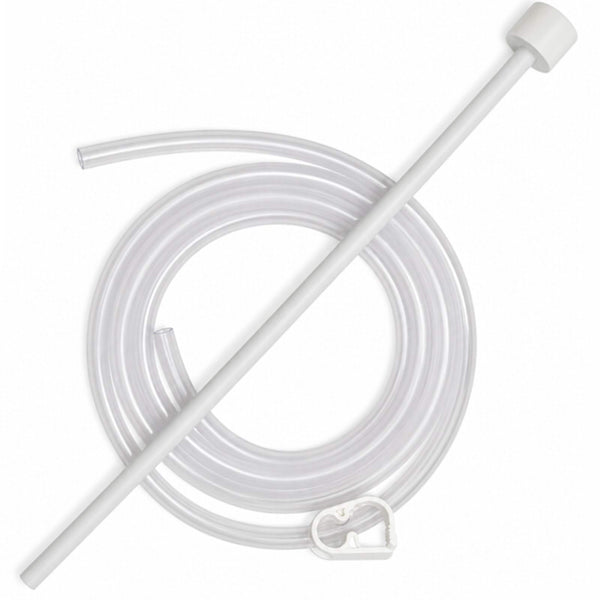
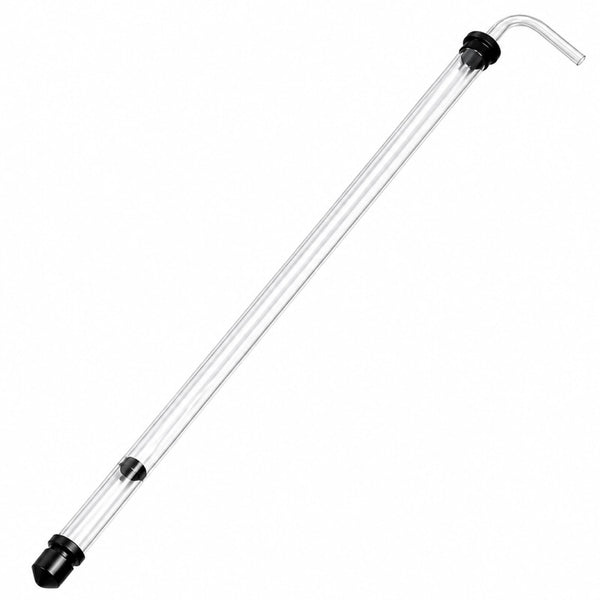
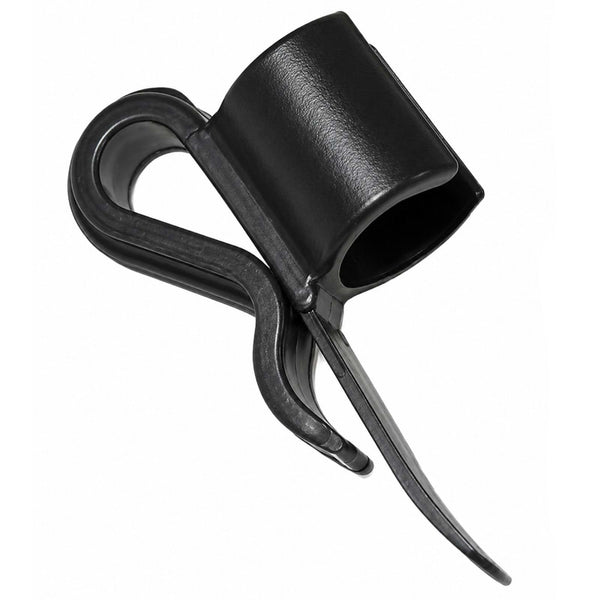
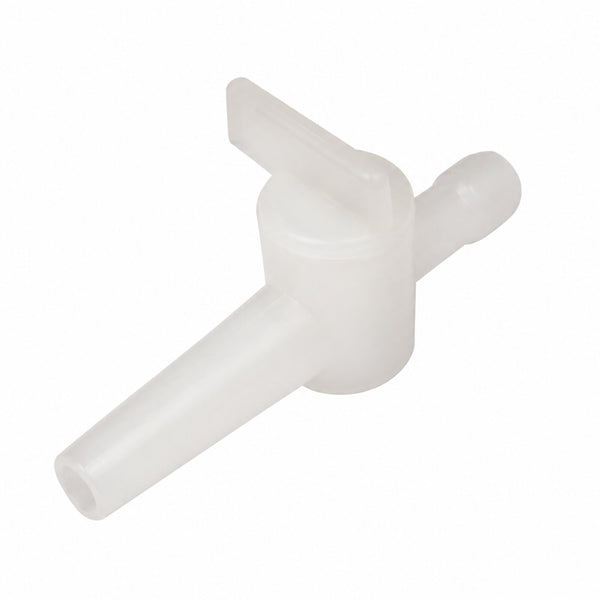

Shop syphons and racking equipment for transferring beer, wine, cider and mead between vessels while leaving settled yeast and debris behind. Choose from simple syphon kits, auto syphons, sediment traps, food-grade tubing, taps and clips for 5-litre or 23-litre batches.
| Type | Best for | What to check |
|---|---|---|
| Simple syphon kit | Affordable transfers between demijohns, buckets and bottles | Vessel depth, tube length and hygienic starting method |
| Auto syphon | Quick, convenient one-person racking | Choose the 4.5L or 23L size to suit the vessel |
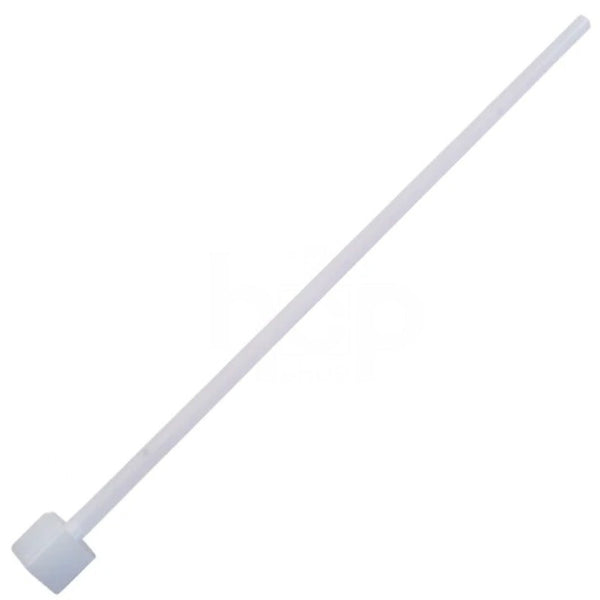
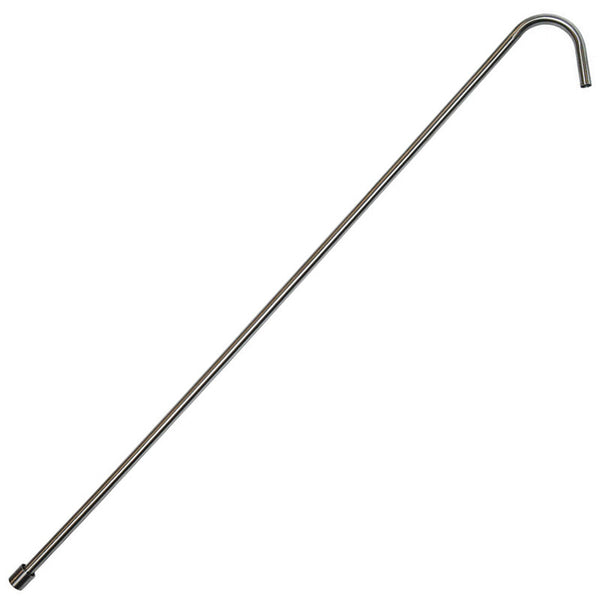
| Sediment trap or racking cane | Holding the inlet above settled yeast or fruit debris | Correct tubing bore and sufficient cane length |
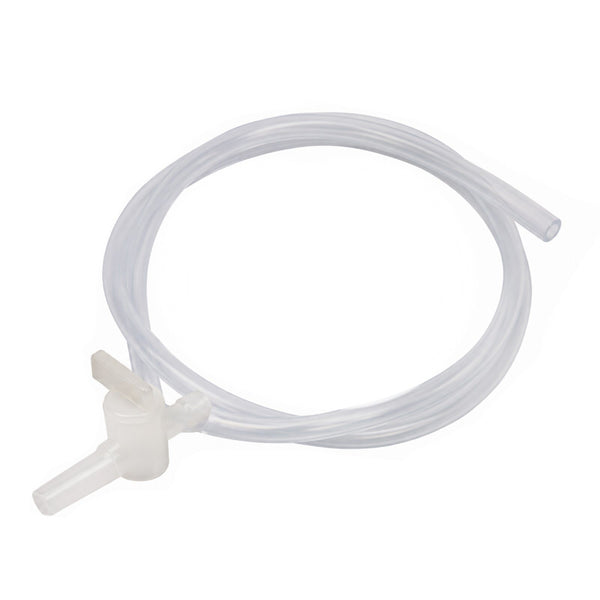
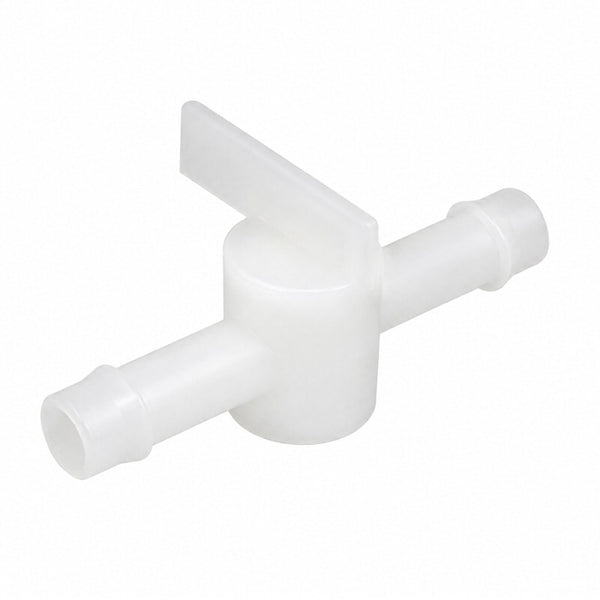
| Syphon tube with tap | Controlling flow during transfers or bottling | The tap controls flow but does not start the syphon |
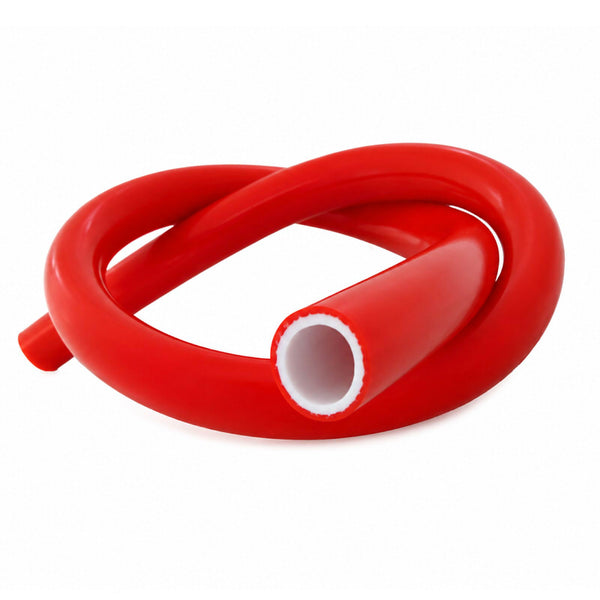
| Food-grade tubing | Replacement tube or custom transfer setups | Internal diameter, material, length and fitting compatibility |
Racking means transferring a fermented drink away from the sediment at the bottom of its vessel. A syphon moves the liquid quietly without the disturbance caused by pouring.
Racking can be useful before clearing, conditioning, bottling or kegging when the recipe or kit instructions call for it. More transfers are not automatically better: every unnecessary transfer creates another opportunity for oxidation, contamination and lost volume.
For the complete method, read our guide to syphoning beer, wine and cider. It explains how to start a syphon hygienically, position both vessels, leave sediment behind and avoid splashing.
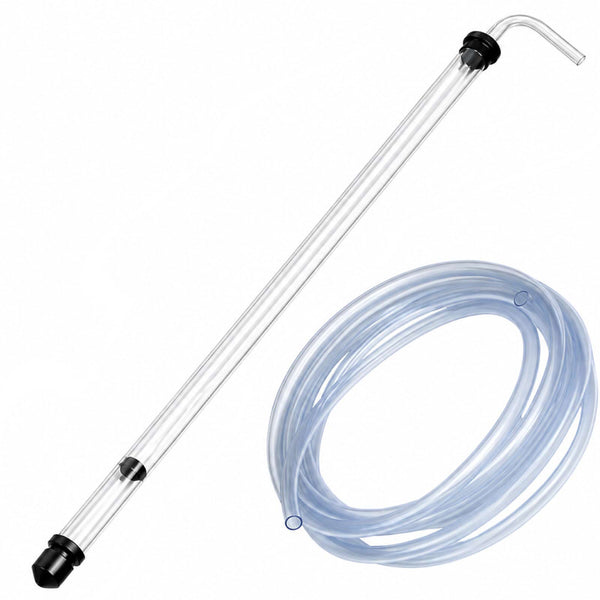
An auto syphon starts the flow with a pumping action, removing the need to prime the tube by mouth. A compact 4.5L auto syphon suits demijohns and small batches; the longer 23L auto syphon reaches into full-size fermenting buckets and carboys.
Match the syphon to the depth of the vessel. A model that is too short cannot reach the final liquid cleanly, while a large model may be awkward inside a compact demijohn.
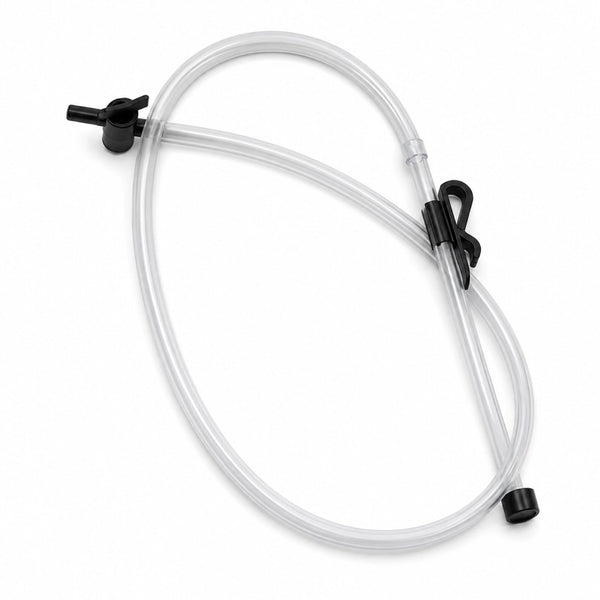
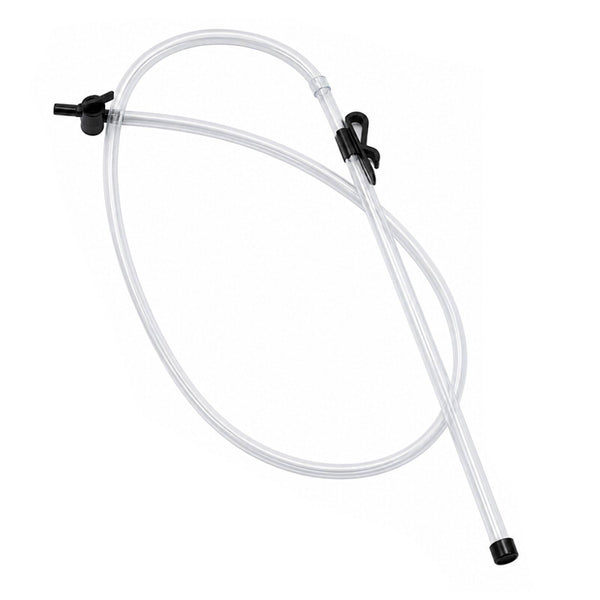
A traditional kit remains a dependable, economical choice. Our 5L Simple Syphon Kit is designed for demijohn-sized batches, while the 23L Simple Syphon Kit suits larger fermenters.
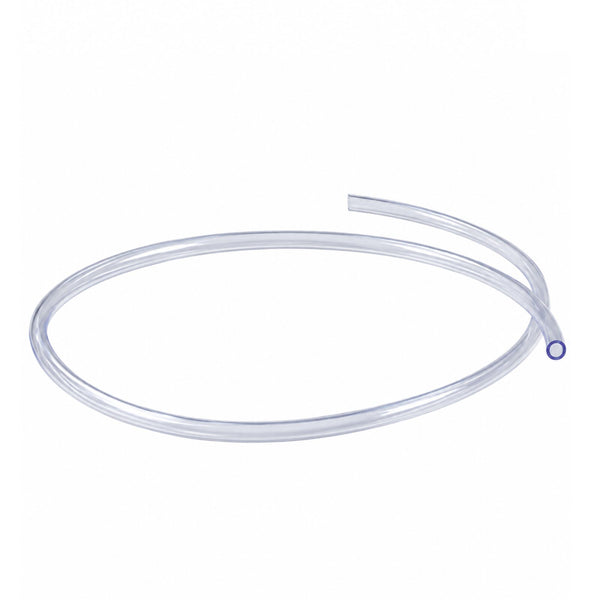
If you are replacing tubing or building a particular setup, measure the fitting rather than choosing by appearance. Internal diameter determines whether the tube fits a tap, cane or bottling accessory correctly. PVC is economical and widely used; silicone remains flexible and may suit setups where the manufacturer's stated temperature resistance is needed.
Wine is often transferred away from heavy sediment during clearing or maturation. Keep the outlet below the surface where practical, minimise splashing and use a receiving demijohn or carboy that avoids excessive headspace. See our How to Make Wine at Home guide.
Many beer-kit batches can remain in the primary fermenter until packaging, so a secondary transfer is not automatically required. When transferring finished beer, work quietly to protect hop aroma and reduce oxidation. Read our beer brewing guide.
Cider may be racked for clearing or ageing when the method requires it. Racking does not prove fermentation is complete; use stable hydrometer readings before bottling. Our cider-making guide covers the full process.
Rinse transfer equipment promptly after use, clean it with a product suitable for the material and sanitise it immediately before the next transfer. Follow the cleaner or sanitiser instructions for concentration, contact time and rinsing.
Replace tubing that becomes scratched, split, stiff, badly stained or difficult to clean. Avoid abrasive brushes inside soft tube, and do not expose plastic parts to boiling water or strong chemicals unless their manufacturer states that they are compatible.
Browse our cleaning and sanitising products for fermenters, tubing and bottling equipment.
A brewing syphon uses gravity to transfer beer, wine, cider or mead from a higher vessel to a lower one without pouring the sediment across.
Both spellings are used. “Syphon” is common in UK home brewing, while “siphon” is widely used elsewhere.
No. Use an auto syphon, a suitable starter or another sanitised priming method. Drawing liquid through the tube by mouth can contaminate cleaned equipment.
An auto syphon has a pumping action to start the transfer. A racking cane is a rigid inlet tube, often fitted with a sediment trap, and needs a separate method to start the flow.
Not routinely. Many beers can be packaged from the primary fermenter. Transfer to another vessel only when the recipe or packaging method provides a clear reason.
Yes, provided the equipment is food grade, suits the vessels and is thoroughly cleaned, inspected and sanitised between batches.
The outlet may not be far enough below the source liquid, the inlet may be breaking the surface, the tube may be kinked or a loose connection may be drawing air.
Free Delivery over £70 T&C apply. Click for more information.

Orders under 2KG can be shipped with the Post Office
Tracked 24: 1–2 working days – £5.95
Tracked 48: 2–3 working days – £4.95

Orders over 2KG will be shipped with a courier
Express delivery: 1–2 working days – £8.50
Fully tracked service

Click & collect from our Plymouth shop – FREE
Ready within 2 hours
Delivery times listed above are estimates and are not guaranteed.