Best Seller

3+ in stock

Mead is one of the oldest fermented drinks in the world — essentially honey wine — and it's genuinely one of the most rewarding things you can brew at home. You don't need a lot of equipment, the process is straightforward once you understand the basics, and the results can be exceptional. Whether you're drawn to a simple traditional mead, a fruit-forward melomel, or something more experimental, this collection has everything you need to get started.
We stock a carefully chosen range of mead-making supplies: specialist and general-purpose yeasts that perform well with honey, dedicated mead nutrients, acids for balance, finings for clarity, and the fermentation vessels and equipment you'll need throughout the process. Everything here has been selected because it works — not just because it's available.
Customers often ask us whether mead is difficult to make. Honestly, it's one of the more forgiving ferments once you get the fundamentals right. The two areas where most beginners run into trouble are yeast nutrition and patience — honey is notoriously low in the nutrients yeast need, and mead generally takes longer to clear and condition than beer. Get those two things right and you're most of the way there.
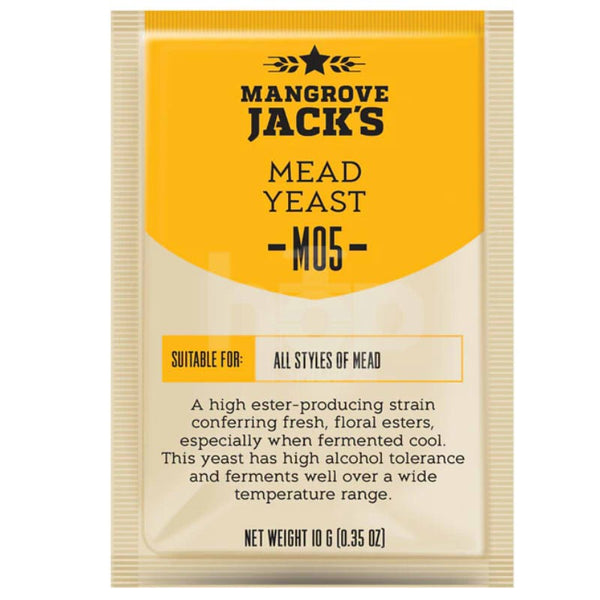
Yeast choice makes a significant difference to the character of your finished mead. The Mangrove Jack's M05 Mead Yeast is the obvious starting point — it's been formulated specifically for mead, tolerates honey's challenging fermentation environment well, and produces a clean, balanced result. It's what we'd recommend for most first-time meadmakers.
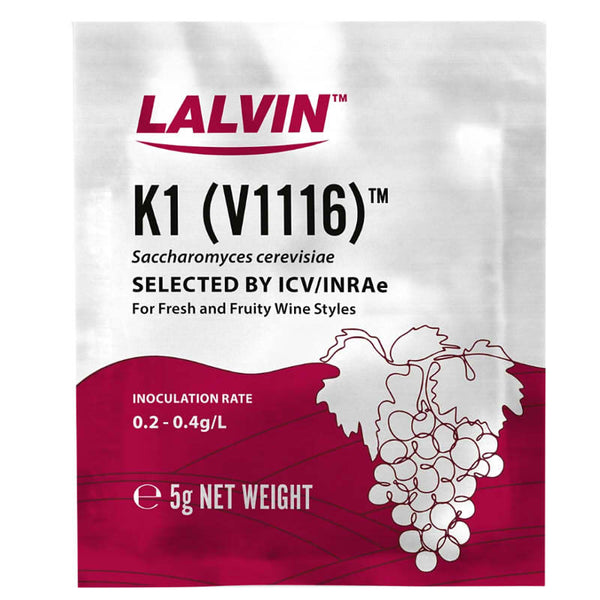
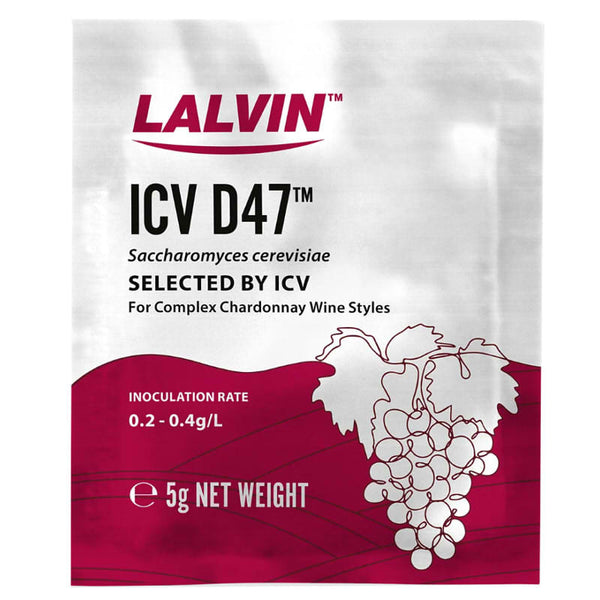
If you're making a fruit mead (melomel), the Lalvin 71B is a popular choice among experienced meadmakers. It's known for softening malic acid and producing a rounder, fruitier character — particularly good with berry and stone fruit additions. The Lalvin ICV-D47 is another well-regarded option for traditional meads, producing floral, honey-forward notes, though it's best fermented at cooler temperatures (below 18°C) to avoid off-flavours.
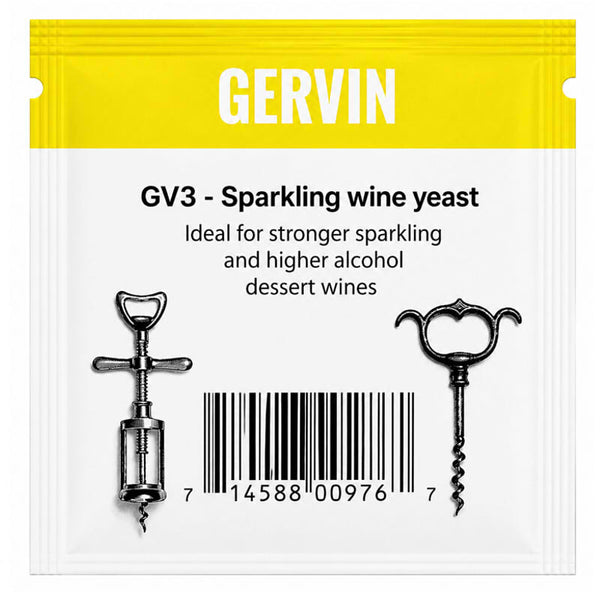
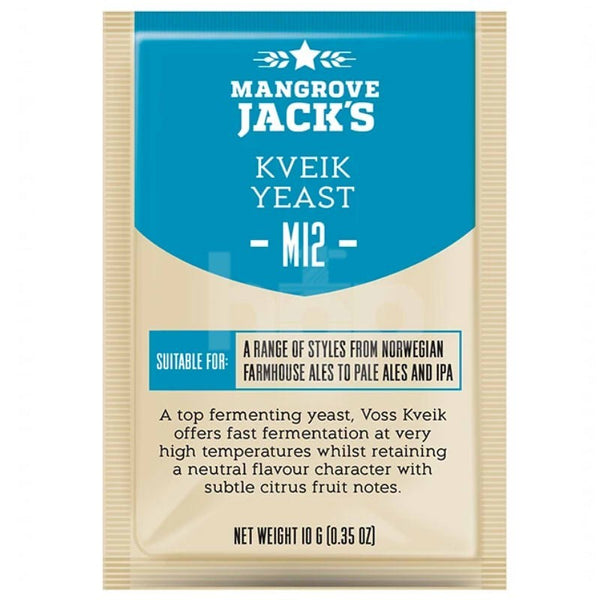
For higher-gravity meads or if you want a drier, more neutral result, the Lalvin EC-1118 and Gervin GV3 are both highly alcohol-tolerant and will ferment out fully even in challenging conditions. The Mangrove Jack's SN9 is another high-alcohol option worth considering for stronger meads.
Yes — and this is probably the single most important thing to understand about mead making. Honey is almost entirely sugar with very little of the nitrogen, vitamins, and minerals that yeast need to ferment healthily. Without adequate nutrition, fermentations stall, produce off-flavours (particularly hydrogen sulphide, which smells of rotten eggs), or simply fail to finish.
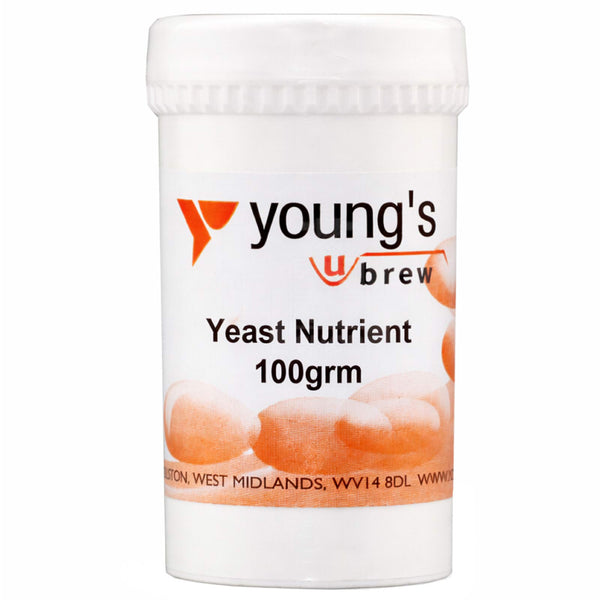
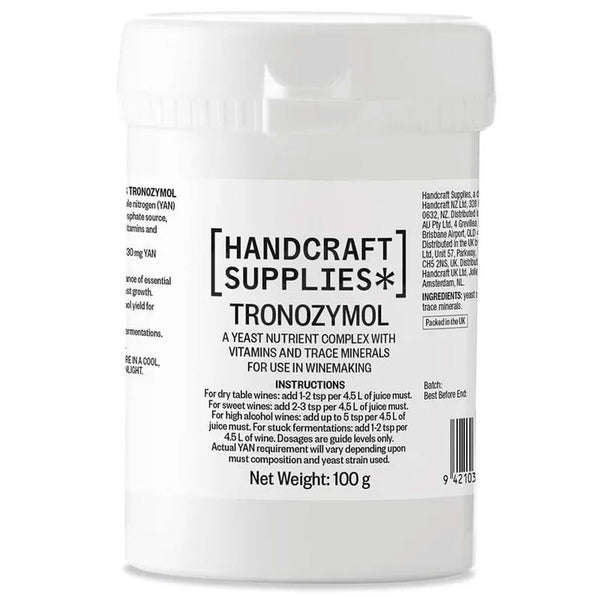
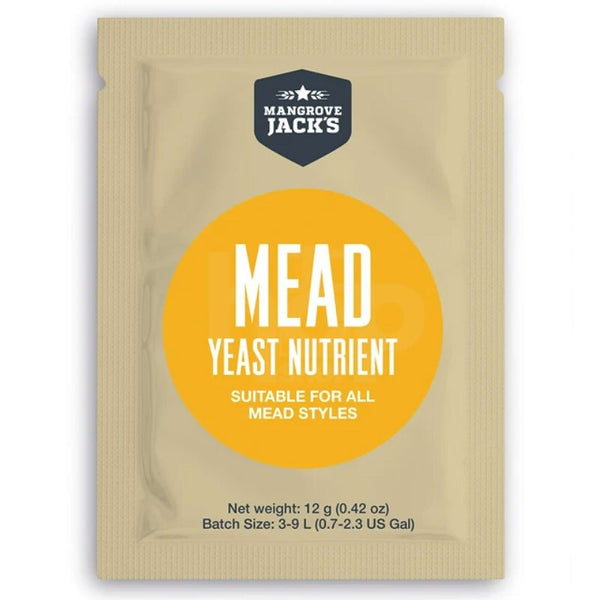
The Mangrove Jack's Mead Yeast Nutrient is formulated specifically for this purpose and is the easiest option for most home meadmakers. Tronozymol and Young's Yeast Nutrient are more general-purpose nutrients that also work well. Many experienced meadmakers use a staggered nutrient addition (SNA) approach — adding nutrients in stages during the first few days of fermentation rather than all at once — which tends to produce cleaner results.
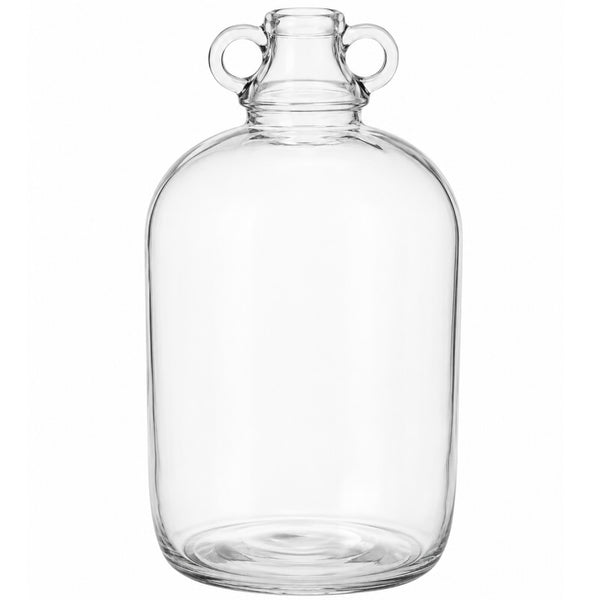
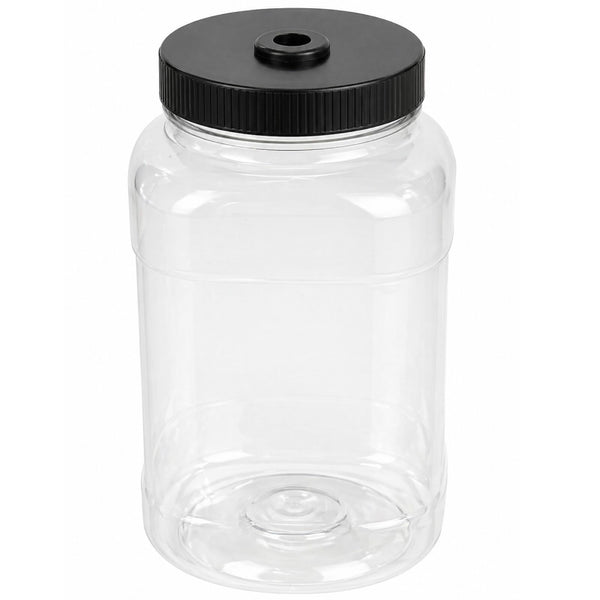
For most home mead batches, a demijohn is the natural choice. We stock both the classic 1 Gallon Glass Demijohn and the lighter, more practical 4.5L PET Wide Neck Demijohn — the wide neck makes it much easier to add fruit or other adjuncts if you're making a melomel or cyser. For larger batches, the 10L Fermentation Bucket works well for primary fermentation before racking into a demijohn to clear.
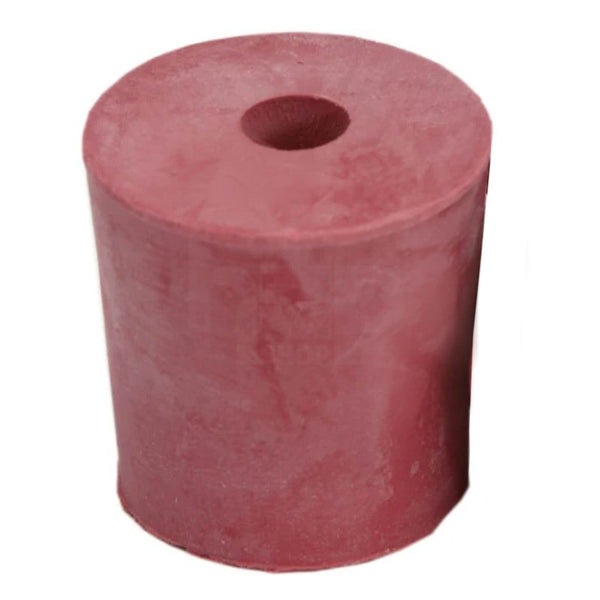
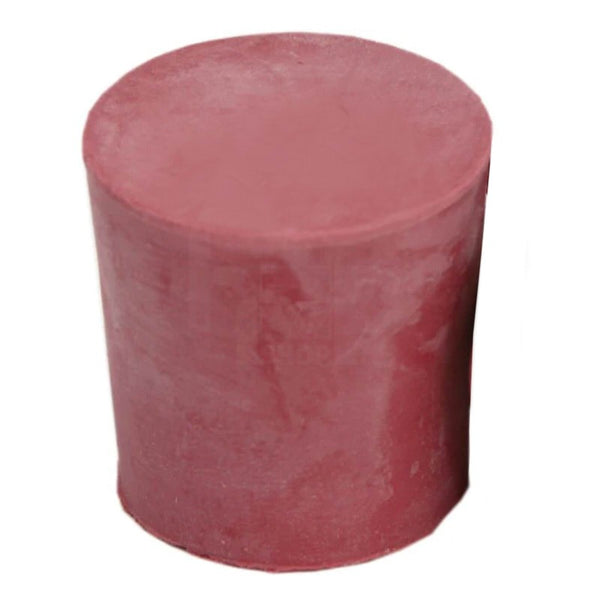
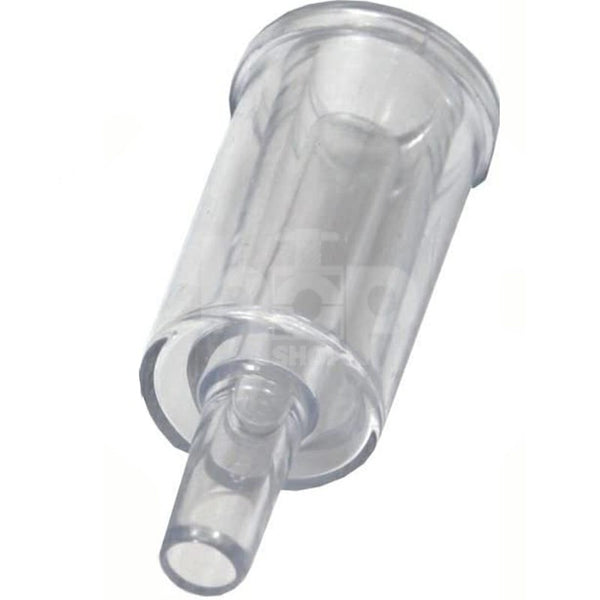
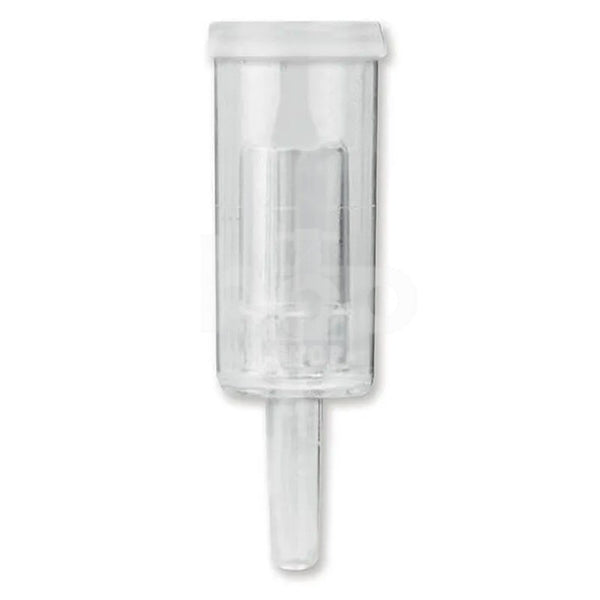
You'll also need an airlock — the Bubbler Airlock or Junior Airlock both fit standard demijohn bungs and do the job perfectly well. Pair with a Bored Rubber Bung sized to your vessel.
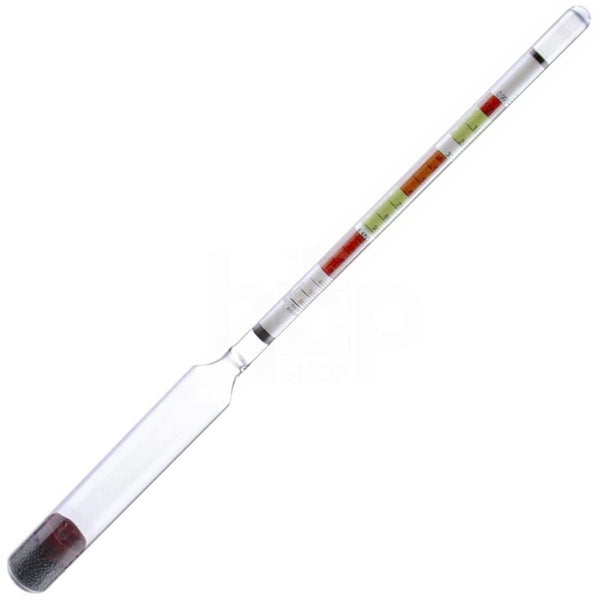
A hydrometer is essential. It tells you your starting gravity (so you can calculate the potential alcohol), tracks fermentation progress, and confirms when fermentation is complete. The Hydrometer is the standard tool for this. If you want something more convenient, the Tilt Wireless Hydrometer floats in your fermenter and sends real-time gravity and temperature readings to your phone — genuinely useful for longer mead fermentations where you'd otherwise be taking repeated manual readings.
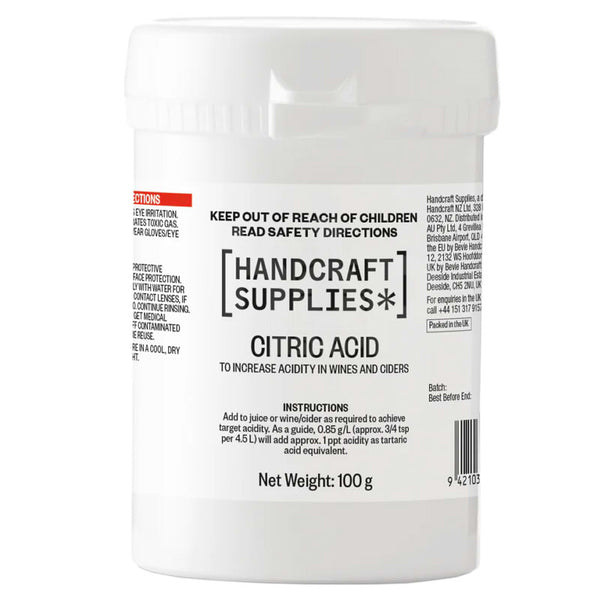
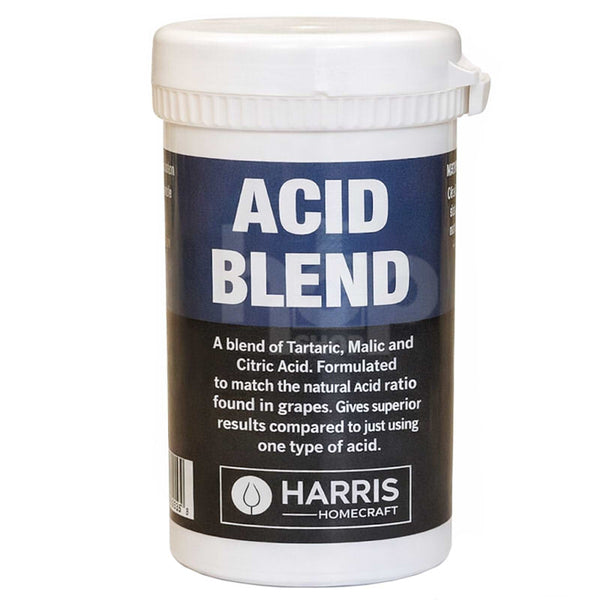
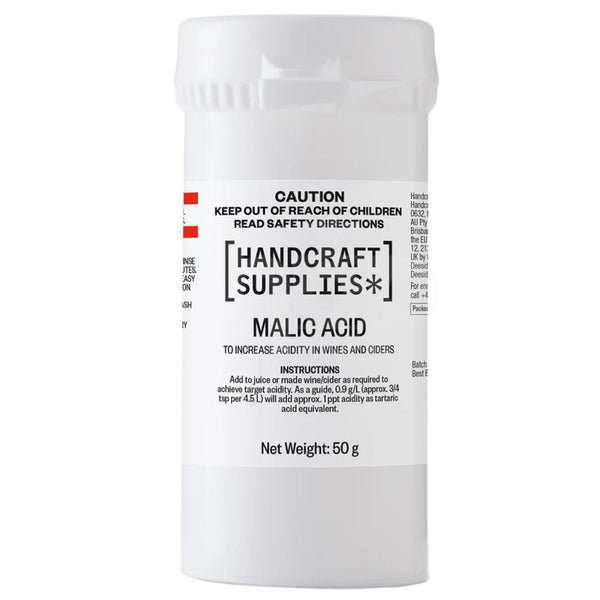
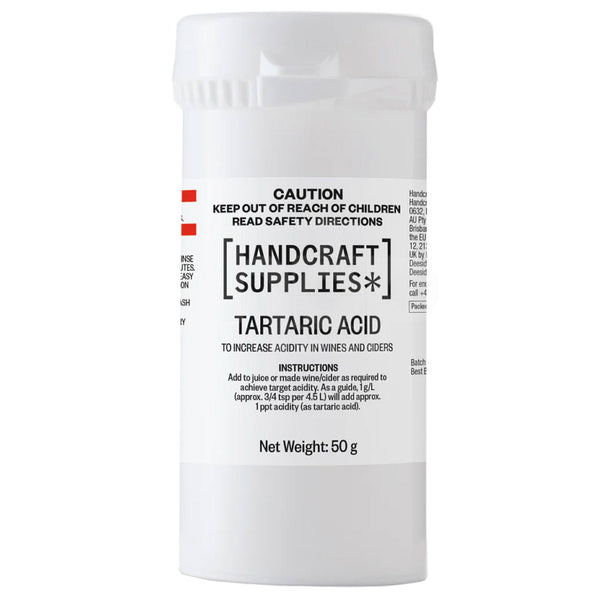
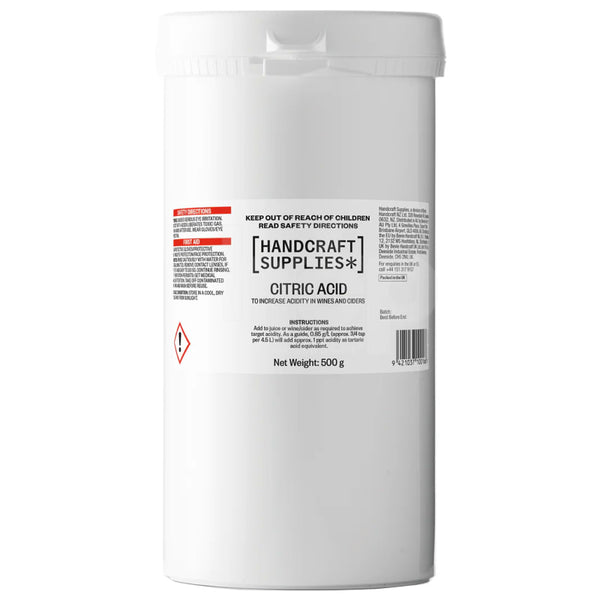
Traditional meads made with good honey often don't need much acid adjustment, but fruit meads and melomels frequently benefit from it. We stock Citric Acid, Tartaric Acid, Malic Acid, and an Acid Blend — the blend is a good all-rounder if you're not sure where to start. One thing we'd always recommend: taste before you add, and add in small increments. It's easy to over-acidify and much harder to correct.
If you're brewing mead for the first time, keep it simple. A traditional mead (just honey, water, yeast, and nutrients) is the best way to learn the process before adding complexity. Aim for a starting gravity of around 1.080–1.100 for a medium-strength mead of roughly 10–13% ABV. Use the M05 yeast, add nutrients, keep fermentation temperatures stable, and be patient — most meads benefit from at least 4–6 weeks of conditioning after fermentation is complete, and many improve significantly with longer ageing.
More experienced brewers often experiment with fruit additions (melomel), spices (metheglin), apple juice (cyser), or grape juice (pyment). The equipment and ingredients here support all of these styles. If you're already comfortable with wine making, you'll find mead follows a very similar process — our Wine Making collection has additional equipment and ingredients that cross over well.
Mead is fermented honey and water — sometimes called honey wine, though it's technically its own category. Wine is made from fruit juice (usually grape), while mead uses honey as the fermentable sugar. The process is similar, but mead requires careful attention to yeast nutrition because honey lacks the natural nutrients found in fruit juice. Mead can range from dry and still to sweet and sparkling, and from light table-strength to strong dessert-style drinks.
As a rough guide, around 1–1.5kg of honey per 4.5 litres (one gallon) will give you a medium-strength traditional mead of approximately 10–13% ABV. More honey means a stronger, potentially sweeter mead; less gives a lighter, drier result. The exact amount depends on the honey's sugar content, which varies by type and source. Taking a hydrometer reading before pitching your yeast will tell you exactly where you're starting.
The Mangrove Jack's M05 Mead Yeast is our recommendation for beginners. It's been specifically developed for mead fermentation, handles honey's challenging nutrient environment better than most general-purpose wine yeasts, and produces a clean, well-balanced result. It's also widely used by experienced meadmakers, so it's not a compromise — it's genuinely a good yeast.
Yes. Honey is almost entirely sugar with very little of the nitrogen and micronutrients that yeast need to ferment cleanly. Without nutrients, fermentations often stall or produce off-flavours. The Mangrove Jack's Mead Yeast Nutrient is the simplest option. General-purpose nutrients like Tronozymol also work well. Follow the packet instructions, and consider splitting additions across the first few days of fermentation for best results.
Primary fermentation typically takes 2–4 weeks, depending on the gravity, yeast, temperature, and nutrient levels. But fermentation finishing is just the beginning — most meads benefit from a further 4–8 weeks of conditioning and clearing before they're at their best. Some styles, particularly higher-gravity or spiced meads, improve significantly with several months of ageing. Patience is genuinely one of the most important ingredients in mead making.
A traditional mead is made with just honey, water, yeast, and nutrients. A melomel adds fruit — berries, cherries, and tropical fruits are all popular. A cyser replaces some or all of the water with apple juice, producing a honey-apple hybrid that sits somewhere between mead and cider. A metheglin adds herbs or spices. All of these styles can be made with the equipment and ingredients in this collection.
Yes, though the type of honey makes a noticeable difference to the flavour of the finished mead. Mild honeys (like acacia or clover) produce a cleaner, more neutral base that lets the mead character come through. Stronger honeys (like heather or buckwheat) add distinctive flavour of their own. For a first mead, a good-quality mild honey from a local supplier or supermarket works perfectly well. Avoid honey that's been heavily processed or blended with syrups.
You don't have to. Many modern meadmakers use a "no-heat" or "no-boil" method — simply dissolving the honey in warm (not boiling) water and pitching the yeast once it's cooled to fermentation temperature. Heating can drive off some of the more delicate honey aromatics, so the no-heat approach is increasingly popular. If you do heat, keep it below 70°C and don't boil.
Most mead yeasts perform well between 18–24°C. The Lalvin D47 is an exception — it's best kept below 18°C to avoid producing fusel alcohols that can give a harsh, hot character. If you're fermenting in a warm room in summer, it's worth choosing a more temperature-tolerant yeast like the M05 or EC-1118. A consistent temperature is more important than hitting an exact number — big swings can stress the yeast and cause problems.
Mead often clears naturally with time and cold temperatures — racking into a clean demijohn and leaving it somewhere cool for a few weeks is frequently all that's needed. If you want to speed things up, finings can help. You'll find suitable options in our Brewing Ingredients collection. A hydrometer will confirm fermentation is complete before you start the clearing process.
We've been helping people brew at home for over 50 years. Mead has always been part of what we do — it's one of those crafts that rewards curiosity and patience, and we enjoy helping customers get it right. We stock the brands and products that actually work, we give honest advice, and if you're not sure what you need, you're welcome to get in touch. Everything you need to brew a good mead is here in one place.
Making your first batch? Read our complete guide to making mead at home.
Free Delivery over £70 T&C apply. Click for more information.

Orders under 2KG can be shipped with the Post Office
Tracked 24: 1–2 working days – £5.95
Tracked 48: 2–3 working days – £4.95

Orders over 2KG will be shipped with a courier
Express delivery: 1–2 working days – £6.95
Fully tracked service

Click & collect from our Plymouth shop – FREE
Ready within 2 hours
Delivery times listed above are estimates and are not guaranteed.