Wine Making Supplies

268 Products
268 Products

Whether you're making your first wine kit or you've been fermenting for years, this is where you'll find everything you need. We stock a full range of wine making supplies — fermentation vessels, wine yeasts, nutrients, Campden tablets, pectolase, finings, syphons, bottles, corks, and all the smaller bits that make the difference between a good batch and a frustrating one.

We've been helping people make wine at home for over 50 years. In that time, the questions customers ask haven't changed much. What equipment do I actually need? Which yeast should I use? Why won't my wine clear? We've tried to answer those questions honestly below, so you can buy with confidence rather than guesswork.

If you're completely new to winemaking, our Wine Starter Kits include everything needed to get going in one purchase. If you're making wine from fruit, flowers, or garden produce, our Country Wine Making collection covers that in more detail.

Wine Making Equipment

Fermentation vessels

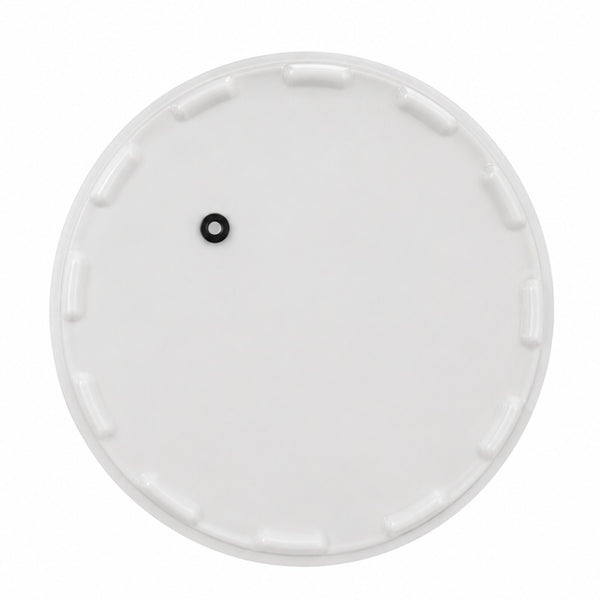
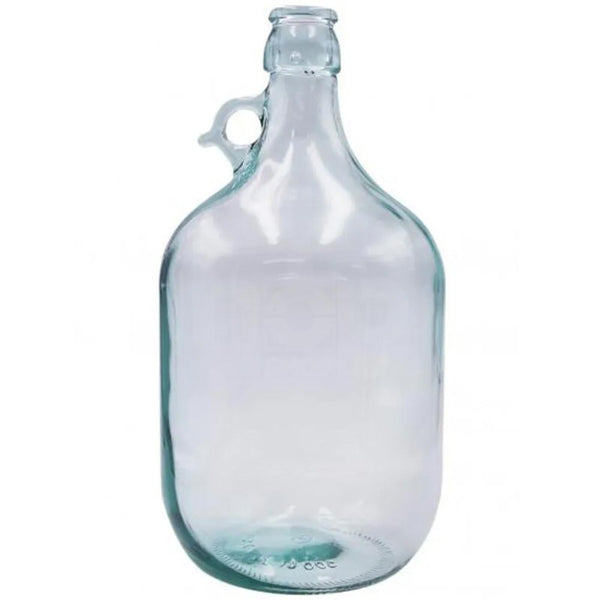
For one-gallon batches, a 5 Litre Glass Demijohn is the traditional choice — inert, easy to clean, and lets you see exactly what's happening inside. For larger batches (23 litres is the standard wine kit size), a 25L Fermentation Bucket is the right starting point for primary fermentation, before racking into a demijohn or carboy to clear. You'll need a grommet lid — the Grommet Lid for 25L Bucket fits our standard bucket and takes a standard airlock.

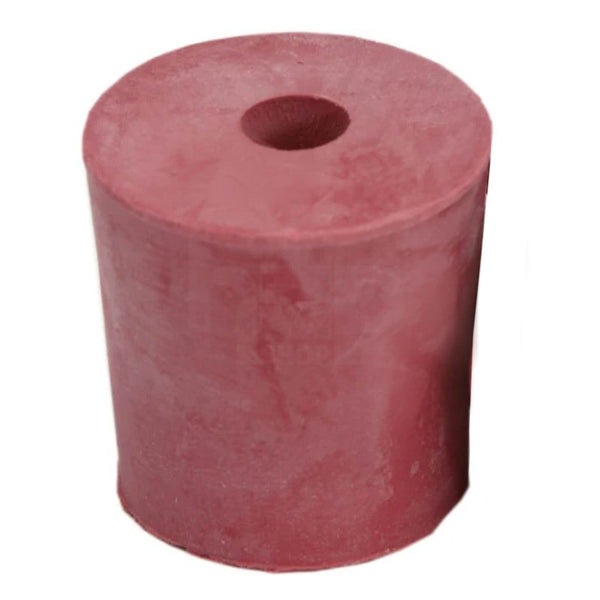
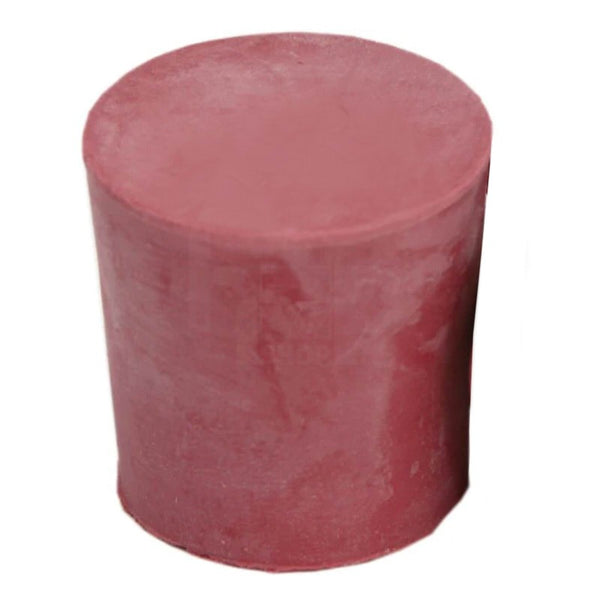
For secondary fermentation and clearing, the 11 Litre Glass Carboy is a good mid-size option. Pair any vessel with a Bored Rubber Bung or Bored Cork Bung and a Bubbler Airlock or Junior Airlock.

Syphons and racking

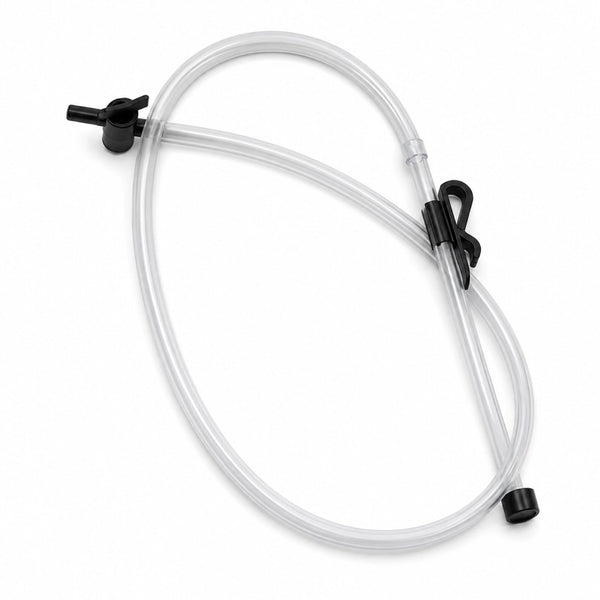
Racking — transferring wine off its sediment — is one of the most important steps in producing a clear, stable wine. A Fermtech Auto Syphon (4.5L) is the easiest tool for demijohn-sized batches; the 23L Auto Syphon handles full wine kit volumes. The Complete Syphon Kit includes tube and tap and is a good all-in-one option for beginners.

Measuring and monitoring

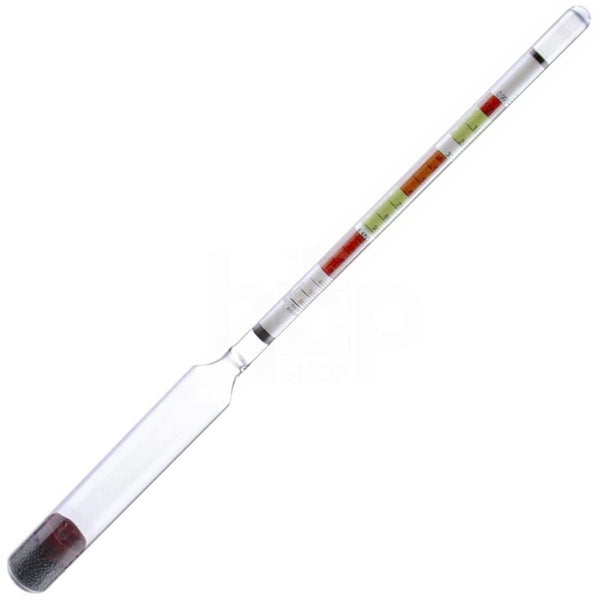
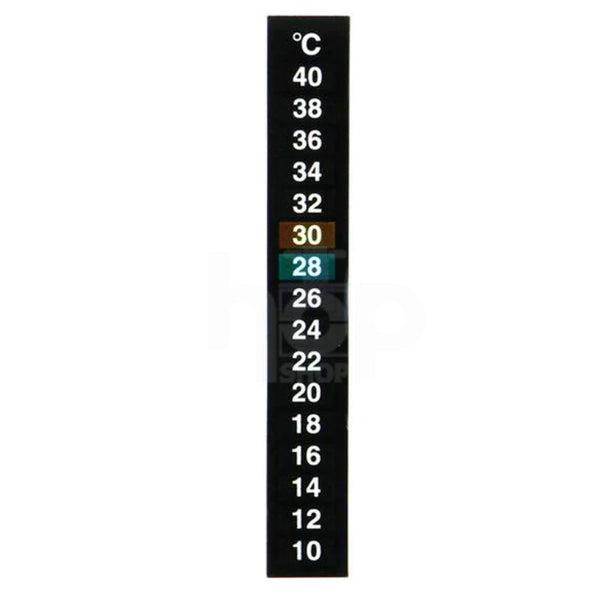
A Hydrometer is one of the most useful tools in winemaking. It tells you the sugar content of your must before fermentation (so you can calculate potential ABV), tracks fermentation progress, and confirms when fermentation is complete before you bottle. One mistake we regularly see is bottling too early — a two-minute hydrometer reading removes that risk entirely. An LCD Thermometer Strip is also worth having to keep an eye on fermentation temperature.

Cleaning and sanitising

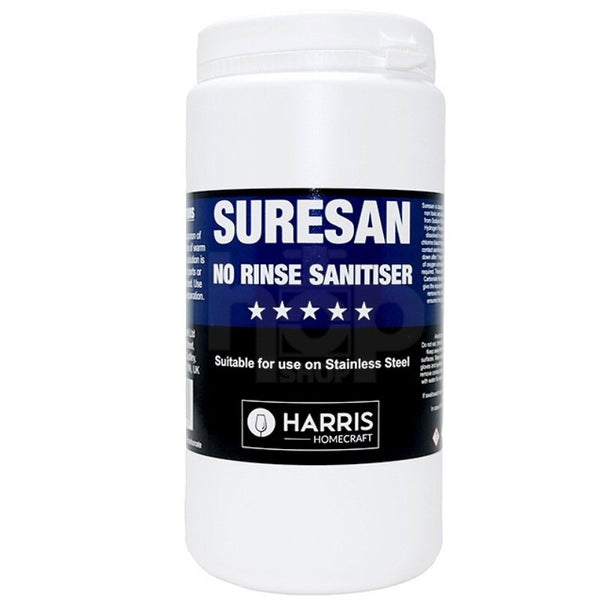
Clean equipment is non-negotiable. VWP Cleaner Steriliser is the most widely used product in home winemaking — it cleans and sterilises in one step and rinses away cleanly. Harris SureSan is a no-rinse alternative that's particularly convenient for airlocks, bungs, and smaller items.

Wine Making Ingredients

Yeasts

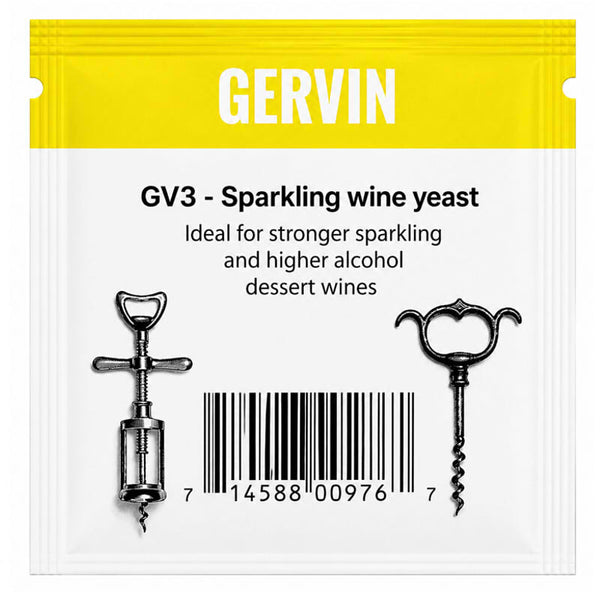
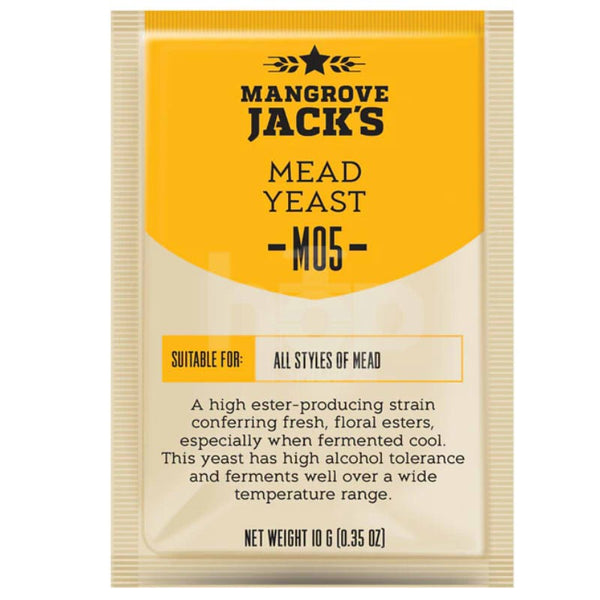
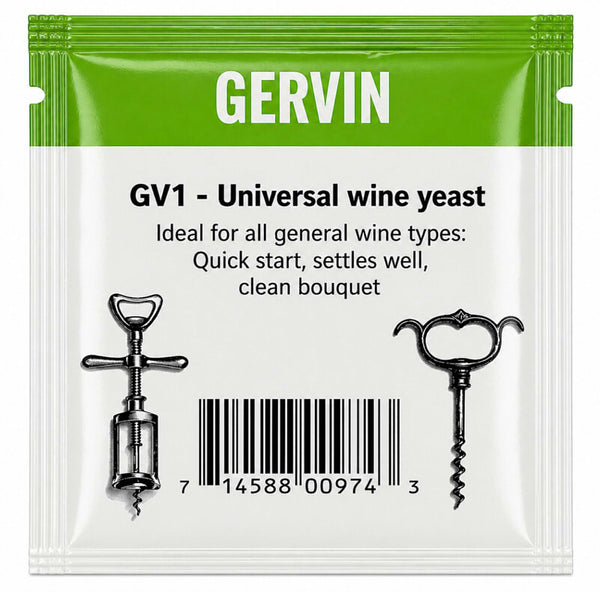
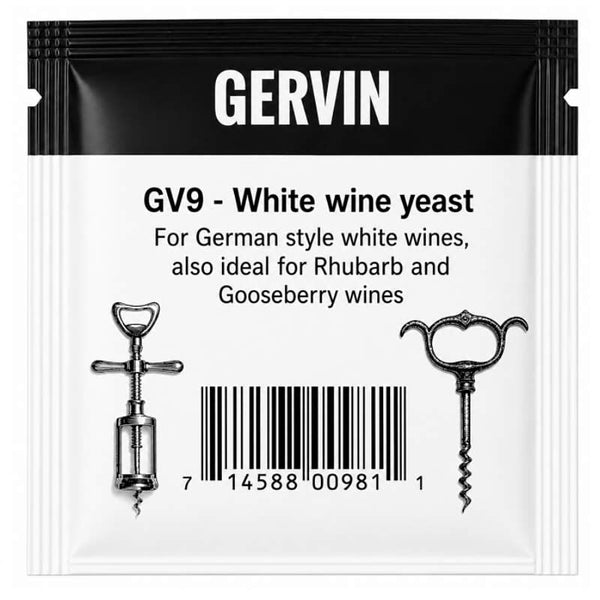
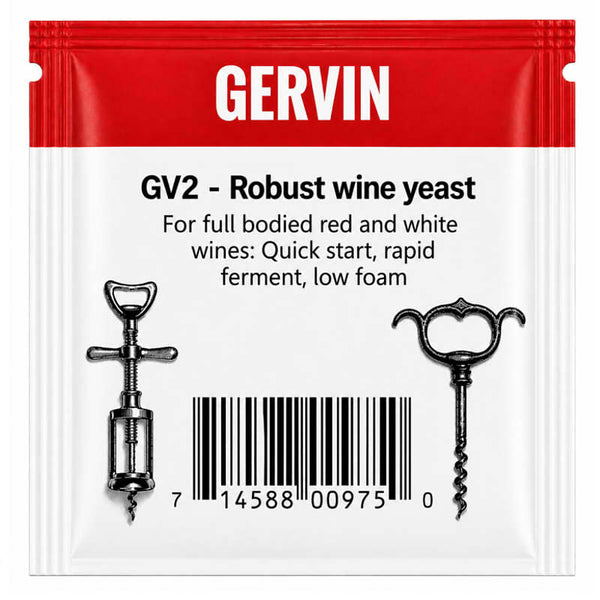
For kit wines, the yeast supplied with the kit is usually the right choice — it's been selected to suit that particular must. For country wines and wines made from scratch, yeast choice matters considerably more. The Gervin GV1 is a reliable all-rounder for flowers and light fruit; the Gervin GV2 handles berries, sloes, and currants well; the Gervin GV11 covers apple, damson, blackberry, plum, and cherry. The full Gervin range — matched to specific fruit and flower styles — is available in our Country Wine Making collection.

The Young's Super Wine Yeast Compound is a popular all-in-one option that includes nutrient and is well suited to straightforward kit wines and country wines alike.

Campden tablets and sulphite

Campden Tablets are used at two key stages: before fermentation to sterilise the must and kill off wild yeasts, and at bottling to stabilise the finished wine and prevent re-fermentation. They're inexpensive, effective, and used by virtually every serious home winemaker. For larger batches, Sodium Metabisulphite powder is more economical.

Pectolase

If you're making wine from fruit, Pectolase (Pectic Enzyme) is essential. Fruit contains pectin, which causes a persistent haze that won't clear with time or finings alone. Add pectolase at the same time as your Campden tablets, 24 hours before pitching the yeast. Flower wines and kit wines don't need it.

Nutrients and additives

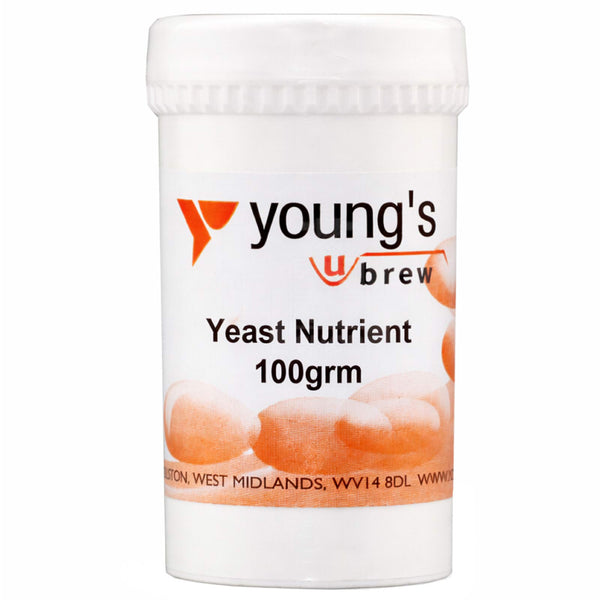
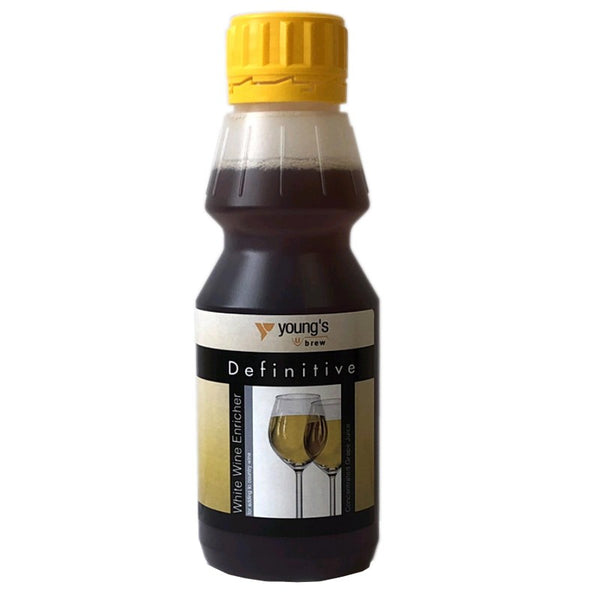
Yeast needs more than sugar to ferment cleanly. Young's Yeast Nutrient and Tronozymol are both reliable general-purpose nutrients. Wine Tannin adds structure and helps with clearing, particularly in white and flower wines that lack natural tannin. Brewing Sugar (Dextrose) is the cleanest way to increase the gravity of a must without adding flavour.

Finings and clearing

Young's Wine Finings are a straightforward two-part fining agent that works well for most home wines. Add after fermentation is complete and the wine has been racked. Most wines will drop clear within a week. For stubborn hazes, particularly in fruit wines where pectolase wasn't used, results may be limited — prevention is easier than cure.

Acids

Acid balance affects both fermentation health and the flavour of the finished wine. We stock Citric Acid, Tartaric Acid, Malic Acid, and a Mixed Acid Blend. The blend is the easiest starting point. Add in small increments and taste as you go — it's easy to over-acidify.

Grape juice concentrate

Adding a small amount of grape juice concentrate to a country wine gives it more body and a more wine-like character. White Grape Juice Concentrate suits flower and light fruit wines; Red Grape Juice Concentrate works well with darker berry and plum wines.

Bottles, Corks and Finishing

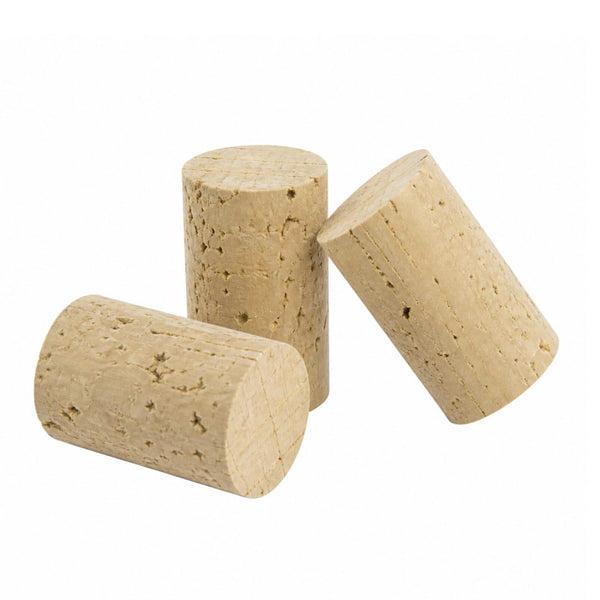
Once your wine is clear and stable, you'll need bottles and closures. We stock both Green Glass Wine Bottles and Clear Glass Wine Bottles — green is better for wines you plan to age, as it offers some protection from light. Premium Corks and Silicone Treated Corks are both available in 30-packs. You'll need a Twin Lever Corker to insert them cleanly. Heat Shrink Capsules give a professional finish if you're gifting or storing long-term.

Frequently Asked Questions

What equipment do I need to start making wine at home?

At minimum: a fermentation vessel, airlock and bung, hydrometer, syphon, bottles, corks, and a corker. You'll also need a sanitiser, yeast, and depending on what you're making, Campden tablets and pectolase. Our Wine Starter Kits bundle the essential equipment together, which is the most convenient option for beginners.

What's the difference between a wine kit and making wine from scratch?

A wine kit uses concentrated grape juice that's been pre-balanced and prepared — you add water, yeast, and follow a set process. It's consistent, straightforward, and produces good results. Making wine from scratch — from fresh fruit, flowers, or vegetables — requires more preparation and judgement, but gives you far more creative control. Both approaches use most of the same equipment.

How long does homemade wine take to make?

A standard wine kit takes 4–6 weeks from start to bottle, though most improve with a further month or two of bottle conditioning. Country wines made from fruit or flowers typically take longer — 3–6 months is common, and many improve significantly with a year or more of ageing. Patience is one of the most important ingredients in winemaking.

Why won't my wine clear?

The most common cause in fruit wines is pectin haze — if Pectolase wasn't added before fermentation, it's very difficult to clear afterwards. Other causes include fermentation not being fully complete, or the wine being stored somewhere too warm. Rack into a clean vessel, move somewhere cool, and give it more time. Wine Finings can help if it's still hazy after several weeks.

Can I reuse my wine making equipment?

Yes — most equipment will last for many years with proper care. Clean thoroughly after each use with VWP or a similar cleaner, rinse well, and sanitise before the next batch. Check rubber bungs and airlocks regularly for cracks or deterioration and replace them when needed — they're inexpensive and a failed seal can ruin a batch.

Do I need to add sugar to my wine?

It depends on the starting gravity of your must. Kit wines usually include the sugar needed. Country wines made from fruit or flowers often need additional sugar to reach a fermentable gravity — Brewing Sugar (Dextrose) is the cleanest option as it ferments out fully without leaving any residual flavour. A hydrometer reading before fermentation tells you exactly how much, if any, to add.

Wine Making Guides & Recipes

If you're looking for step-by-step guidance, we have a range of winemaking articles on the blog:

Why Buy From The Hop Shop?

We've been supplying home winemakers for over 50 years. We stock the brands and products that actually work — VWP, Gervin, Young's, Harris, Lalvin — and we give honest advice rather than just selling whatever's available. If you're not sure what you need, get in touch. We're happy to help you choose the right equipment and ingredients for what you're making.

Free Delivery over £70 T&C apply. Click for more information.

Royal Mail
Royal Mail

Orders under 2KG can be shipped with the Post Office
Tracked 24: 1–2 working days – £5.95
Tracked 48: 2–3 working days – £4.95

Tracked Courier
Tracked Courier

Orders over 2KG will be shipped with a courier
Express delivery: 1–2 working days – £6.95
Fully tracked service

Store Collection
Store Collection

Click & collect from our Plymouth shop – FREE
Ready within 2 hours

Delivery times listed above are estimates and are not guaranteed.