3+ in stock



Country wine is one of the most satisfying things you can make at home. There's something genuinely rewarding about turning a glut of garden fruit, a bag of foraged elderflowers, or a pile of root vegetables into something drinkable — and often surprisingly good. Unlike kit wines, country wines are made entirely from scratch, which means more variables to manage, but also far more scope for creativity and personalisation.
This collection covers everything you need for the full process: the right yeast for your fruit or flower, Campden tablets and pectolase for preparation, nutrients and acids for a healthy fermentation, demijohns and airlocks for fermenting, and syphons and finings for racking and clearing. We also stock dried elderflowers and dried rose petals for those times when fresh ingredients aren't available or in season.
Customers often ask us which country wines are the easiest to start with. Elderflower and rose petal wines are both forgiving and produce excellent results with relatively little effort. Fruit wines — blackberry, damson, plum — are similarly straightforward once you understand the basics of preparation. Root vegetable wines (parsnip, carrot, beetroot) take a little more patience but are well worth the effort.
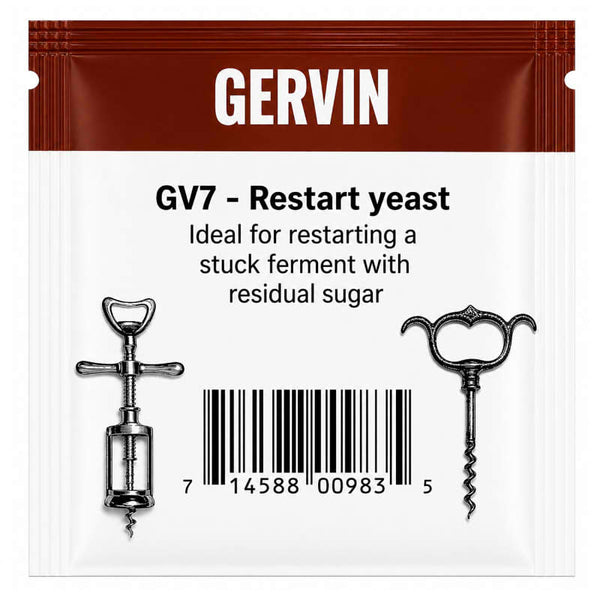
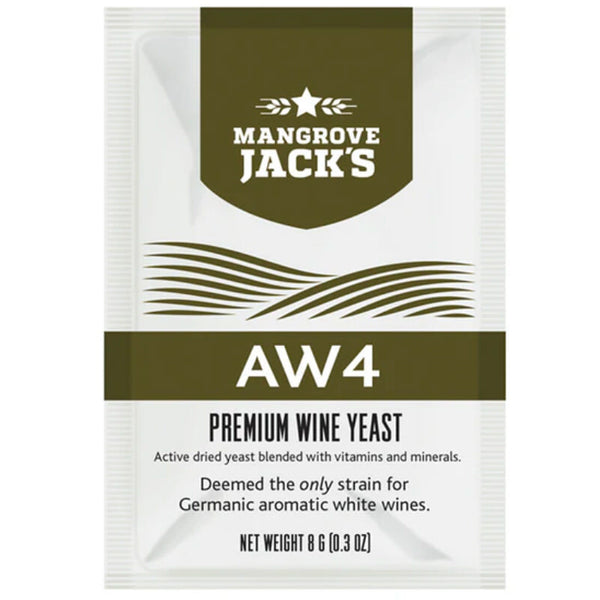
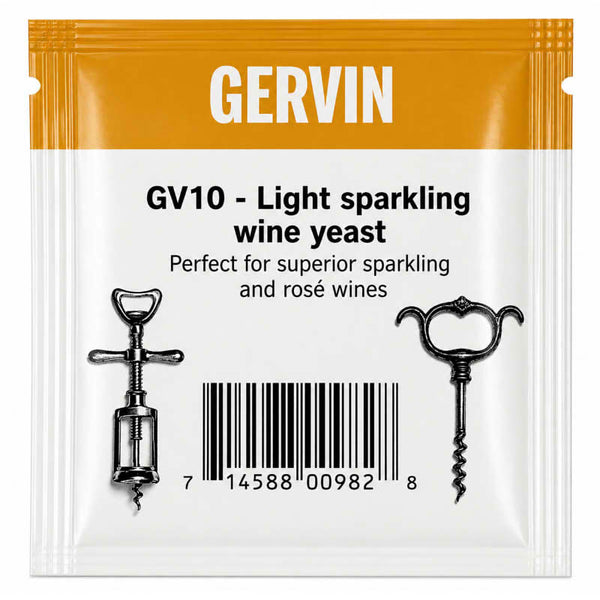
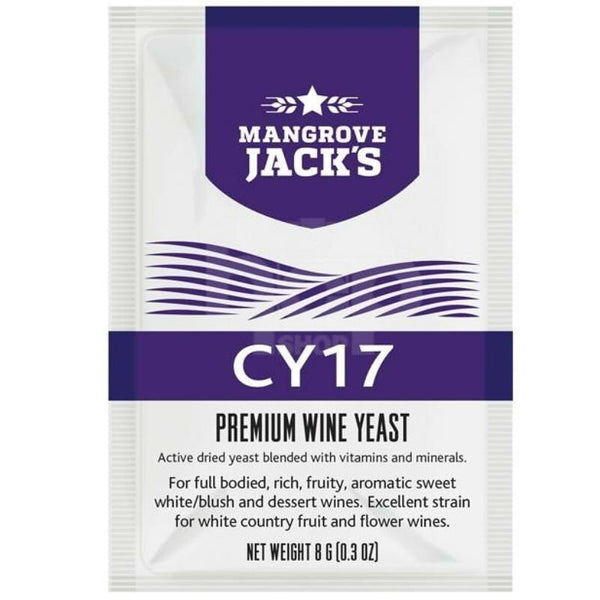
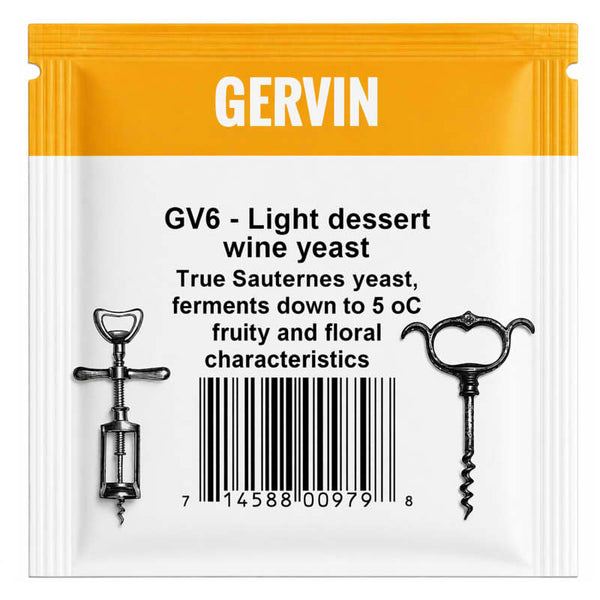
Yeast choice matters more in country wine than in kit wine, because you're working with ingredients that vary significantly in sugar content, acidity, and natural chemistry. We stock the full Gervin range, which is specifically designed for country wine styles:
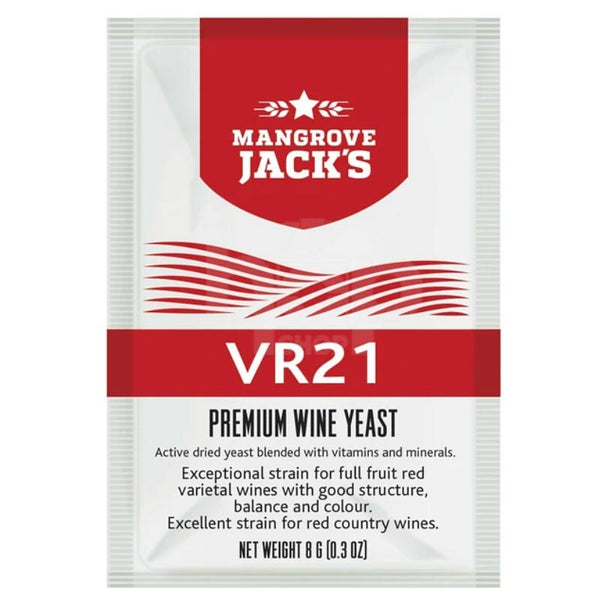
If you prefer single-use sachets from a different range, the Lalvin 71B is excellent for fruit wines and softens malic acid naturally, producing a rounder result. The Lalvin K1-V1116 is a reliable universal option with good alcohol tolerance.
Yes, for almost all country wines. Campden tablets (sodium metabisulphite) are used to sterilise your must before fermentation — they kill off wild yeasts and bacteria that can cause off-flavours or spoilage. Add one crushed tablet per 4.5 litres, leave for 24 hours, then pitch your yeast. We also stock Sodium Metabisulphite powder for larger batches.
If you're making wine from fruit — particularly soft fruit like strawberries, plums, or blackberries — Pectolase (Pectic Enzyme) is essential. Fruit contains pectin, which causes a persistent haze that won't clear no matter how long you leave it. Pectolase breaks down the pectin before fermentation, allowing the wine to clear properly. Add it at the same time as your Campden tablets, before pitching the yeast. Flower wines and root vegetable wines generally don't need it.
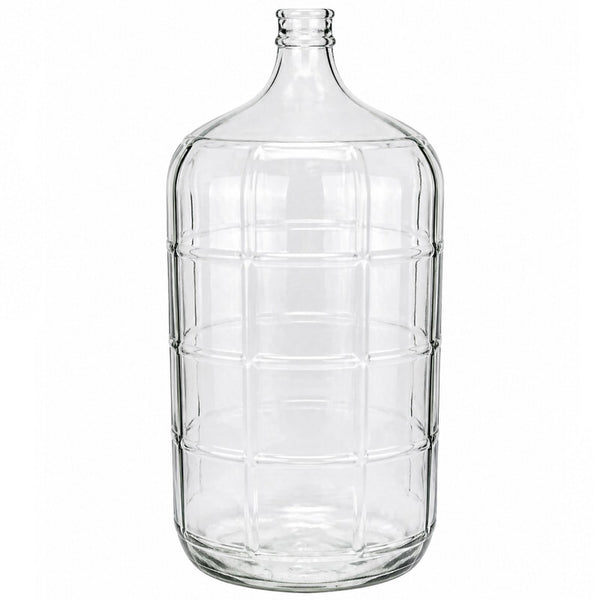
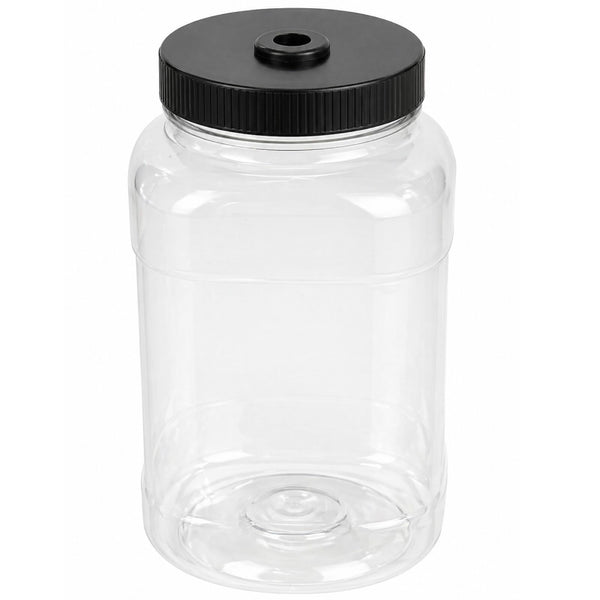
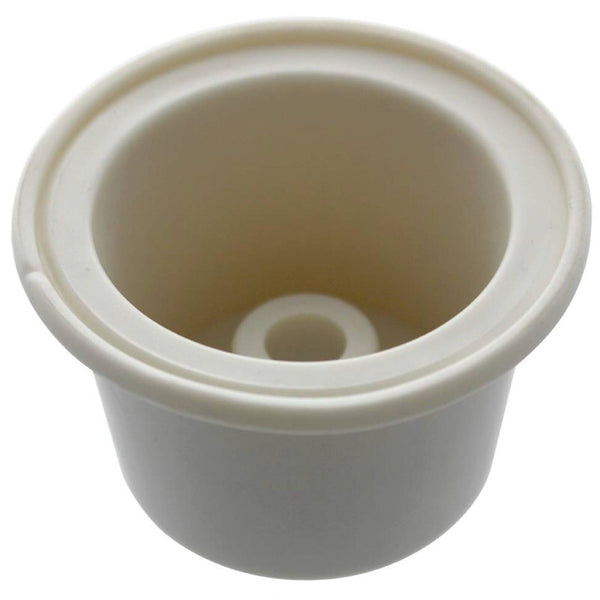
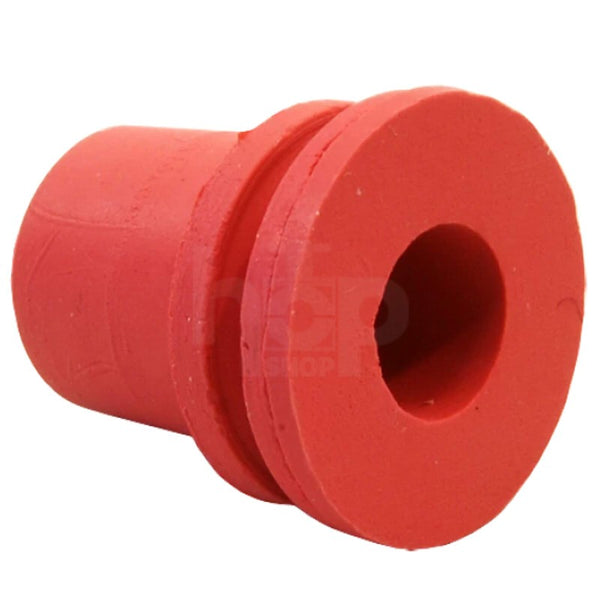
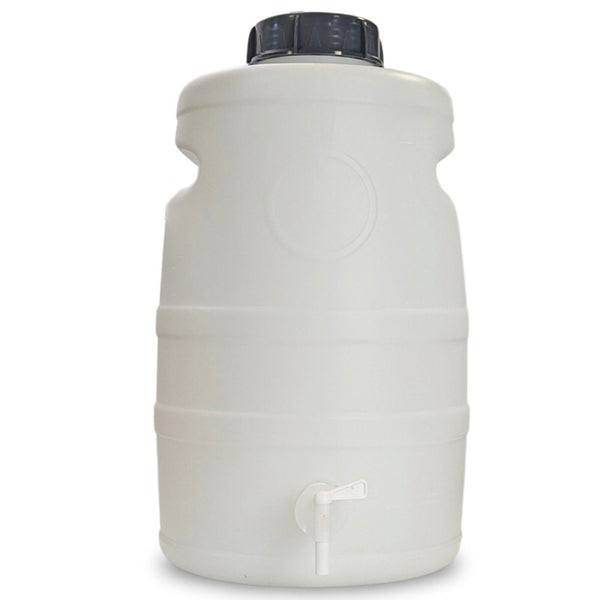
For one-gallon batches, a 5 Litre Glass Demijohn is the traditional choice and still the best option for most country winemakers — glass is inert, easy to clean, and lets you see exactly what's happening inside. For larger batches, the 11 Litre Glass Carboy is a good step up. You'll need a Bored Rubber Bung or Bored Cork Bung and an airlock — the Bubbler Airlock or Junior Airlock both work well.
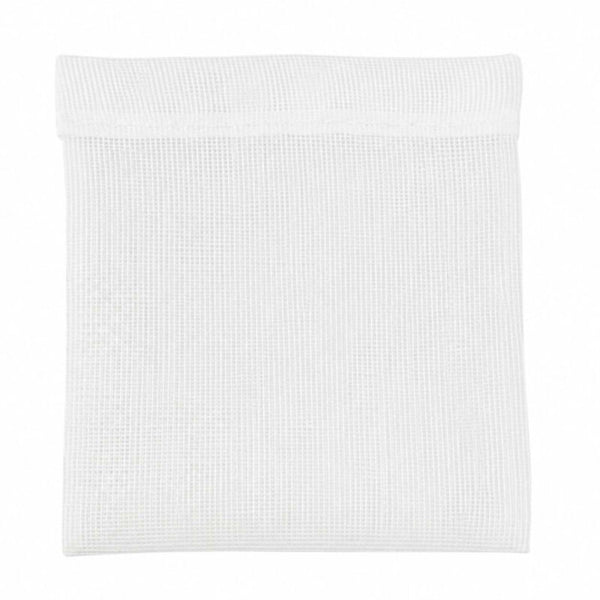
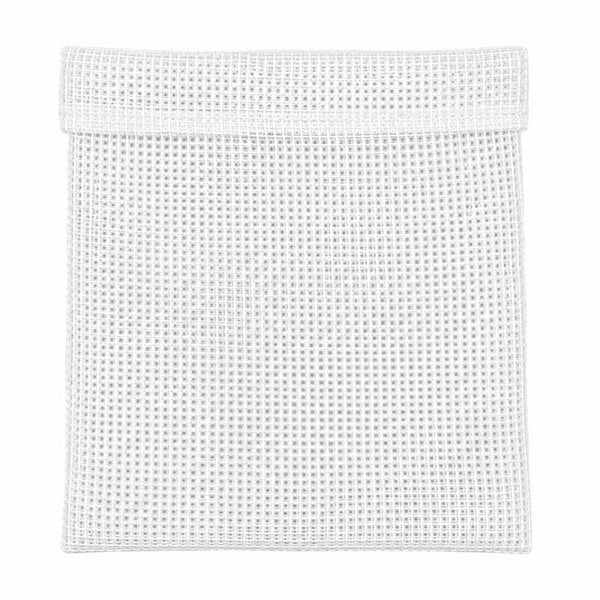
A Muslin Straining Bag is worth having for any wine made with whole fruit or flowers — it makes straining the must much cleaner and easier.
Most country wines benefit from a small addition of yeast nutrient, particularly flower wines and root vegetable wines where the natural nutrient content is low. Tronozymol and Young's Yeast Nutrient are both reliable options.
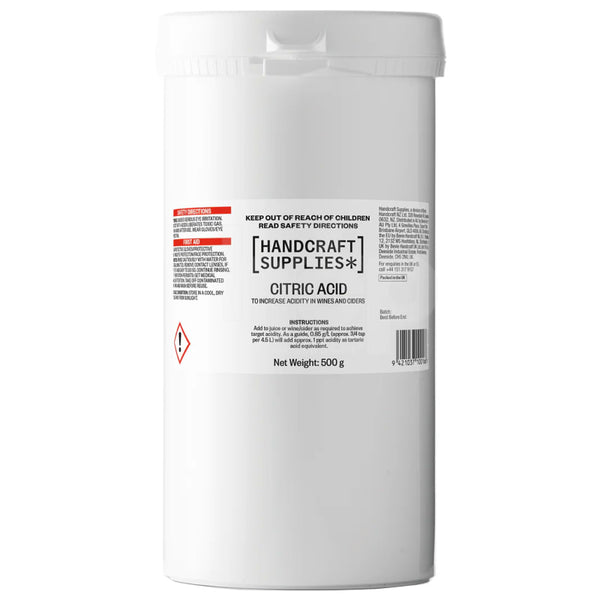
Acid balance is also worth paying attention to. Many fruit wines are naturally high in acid (rhubarb, gooseberry, blackcurrant) while others are quite low (elderflower, parsnip). We stock Citric Acid, Tartaric Acid, Malic Acid, and a Mixed Acid Blend — the blend is the easiest starting point if you're new to acid adjustment. Taste your must before adding anything and adjust in small increments.
Yes — and it's a technique many experienced country winemakers swear by. Adding a small amount of grape juice concentrate gives the wine more body, depth, and a more wine-like character without masking the primary flavour. We stock both White Grape Juice Concentrate and Red Grape Juice Concentrate in various sizes. White works well with flower and light fruit wines; red suits darker berry and plum wines.
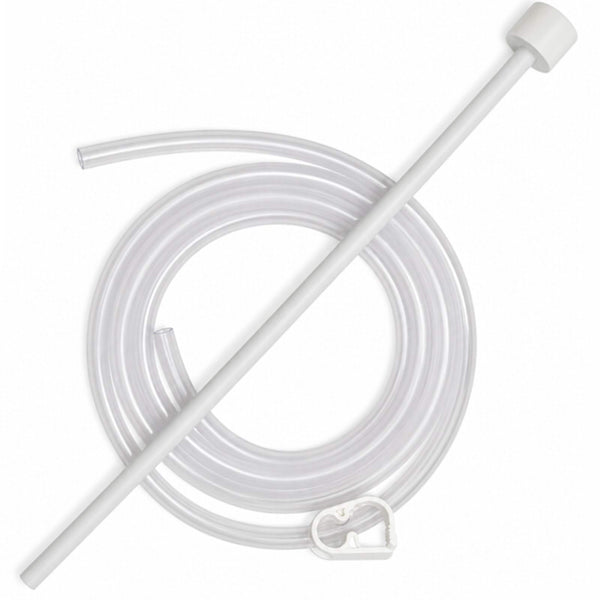
Racking — transferring the wine off its sediment into a clean vessel — is an important step in producing a clear, stable wine. A Fermtech Auto Syphon makes this much easier than a basic tube, particularly for demijohn-sized batches. For larger volumes, the 23L Auto Syphon is the better option. You'll find additional finings and stabilisers in our Brewing Ingredients collection.
Kit wine uses a concentrated grape juice base that's been pre-prepared and balanced — you add water, yeast, and follow a set process. Country wine starts from raw ingredients: fresh or dried fruit, flowers, vegetables, or hedgerow produce. It requires more preparation (Campden tablets, pectolase, acid adjustment) and more patience, but gives you far more creative control over the finished result. Many people find it more rewarding precisely because of that.
Elderberry, blackberry, damson, and sloe all produce full-bodied, deeply coloured wines that age well. Elderflower and rose petal make delicate, aromatic wines that are best drunk young. Rhubarb and gooseberry produce crisp, dry whites. Plum and cherry sit somewhere in the middle — fruity and approachable. Root vegetables (parsnip, carrot, beetroot) are more unusual but produce surprisingly good wines with a little patience. We have recipes for many of these on our blog.
It varies significantly by fruit type. As a rough guide: soft fruits like blackberries and elderberries typically need around 1–1.5kg per 4.5 litres; harder fruits like apples and plums around 1.5–2kg; flowers like elderflower around 500ml–1 litre of fresh florets (or use our Dried Elderflowers if fresh aren't available). Root vegetables typically need 1–1.5kg. These are starting points — recipes vary, and the sugar content of your fruit will affect the final gravity.
The most common cause is pectin haze from fruit — if you didn't add Pectolase before fermentation, it's very difficult to clear afterwards. Other causes include fermentation not being fully complete, or the wine being too warm. Rack into a clean demijohn, move somewhere cool, and give it more time. Finings can help if it's still hazy after several weeks — you'll find options in our Brewing Ingredients collection.
Yes. Our Dried Elderflowers and Dried Rose Petals are a practical alternative when fresh flowers aren't in season or available. The flavour is slightly different — a little more concentrated and less delicate — but the results are still very good. Follow the packet guidance on quantities, as dried flowers are more potent than fresh by weight.
Most country wines need at least 6 months from the start of fermentation before they're at their best, and many improve significantly with a year or more. Flower wines (elderflower, rose petal) tend to be ready sooner — 3–6 months is often enough. Dark fruit wines (elderberry, damson, sloe) can take 12–18 months to really come into their own. Patience is genuinely one of the most important ingredients.
It's not strictly essential, but it's strongly recommended. A hydrometer tells you the sugar content of your must before fermentation (so you can calculate potential ABV and adjust if needed), and confirms when fermentation is complete. Bottling before fermentation has finished is one of the most common — and potentially dangerous — mistakes in home winemaking. A hydrometer reading costs you two minutes and removes the guesswork entirely.
Malolactic fermentation (MLF) is a secondary process where sharp malic acid is converted to softer lactic acid, reducing acidity and adding complexity. It happens naturally in some wines, particularly those made from high-acid fruits like rhubarb, gooseberry, or unripe apples. If you want to encourage it, our Malolactic Culture can be added after primary fermentation. It's not necessary for most country wines, but it's a useful tool for wines that taste too sharp even after acid adjustment.
If you're looking for inspiration or step-by-step guidance, we have a growing collection of country wine recipes on the blog:
We've been helping people make wine at home for over 50 years. Country wine is something we genuinely enjoy — it's one of those crafts that connects you to the seasons and rewards a bit of patience and curiosity. We stock the ingredients and equipment that actually work, we give honest advice, and everything you need is here in one place. If you're not sure where to start, get in touch — we're happy to help you pick the right yeast for your fruit or talk through the process.
Free Delivery over £70 T&C apply. Click for more information.

Orders under 2KG can be shipped with the Post Office
Tracked 24: 1–2 working days – £5.95
Tracked 48: 2–3 working days – £4.95

Orders over 2KG will be shipped with a courier
Express delivery: 1–2 working days – £6.95
Fully tracked service

Click & collect from our Plymouth shop – FREE
Ready within 2 hours
Delivery times listed above are estimates and are not guaranteed.