
3+ in stock

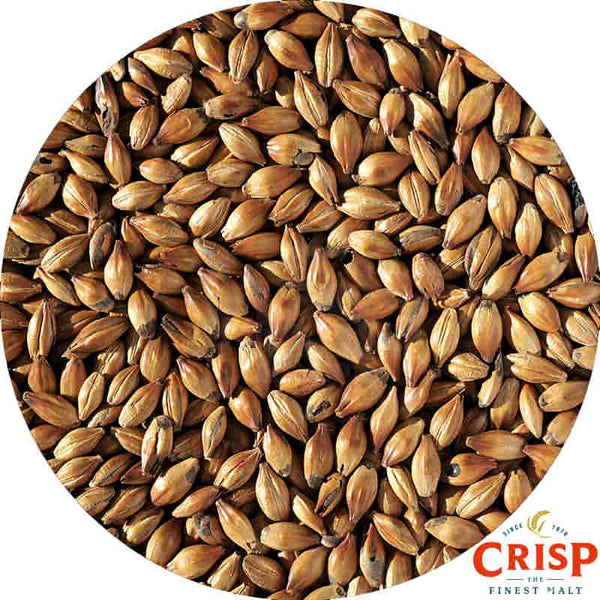
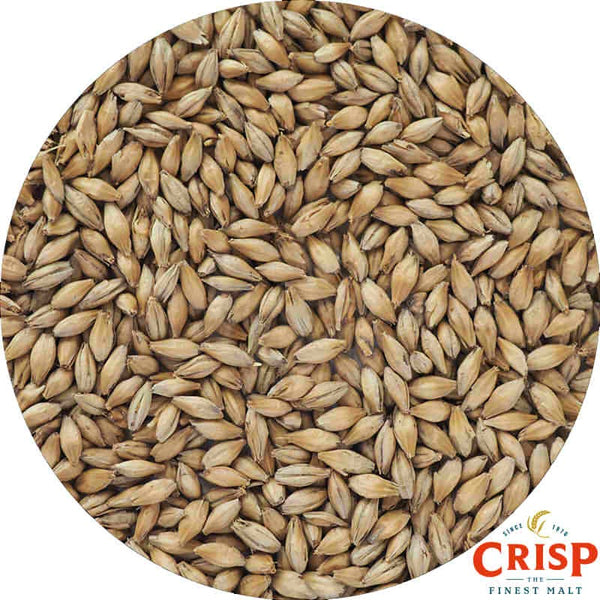
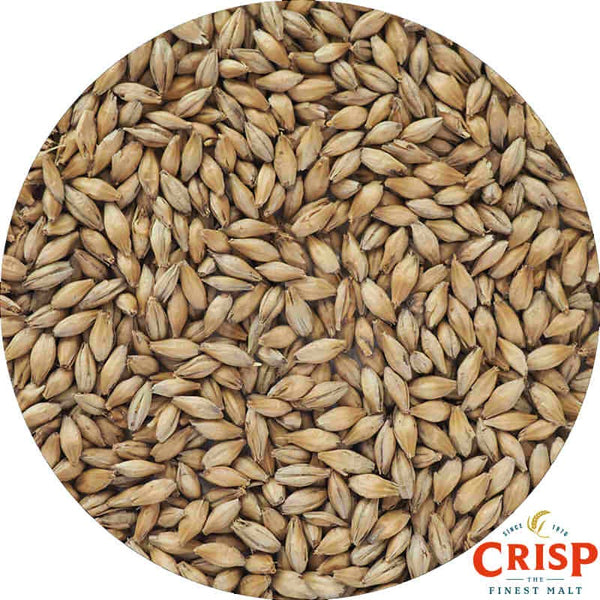
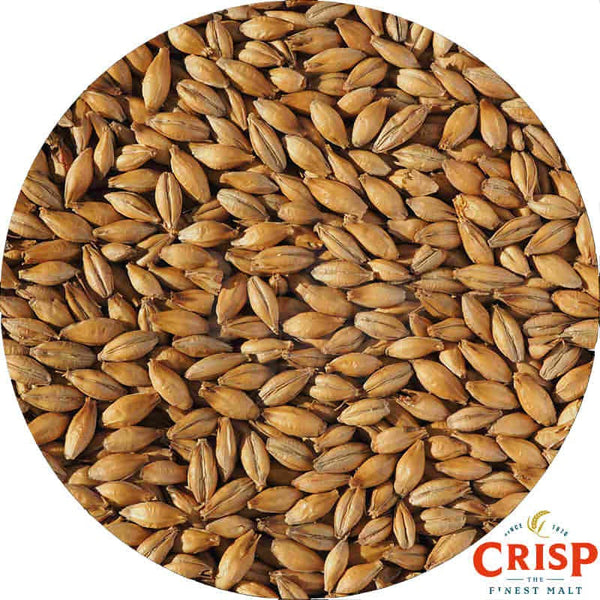
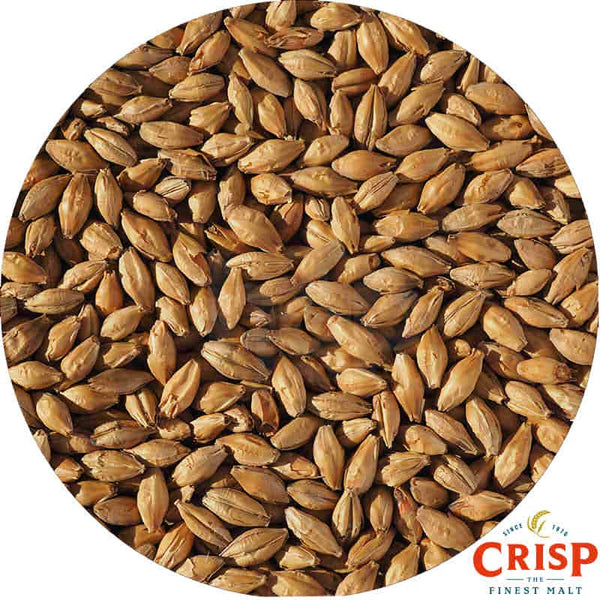
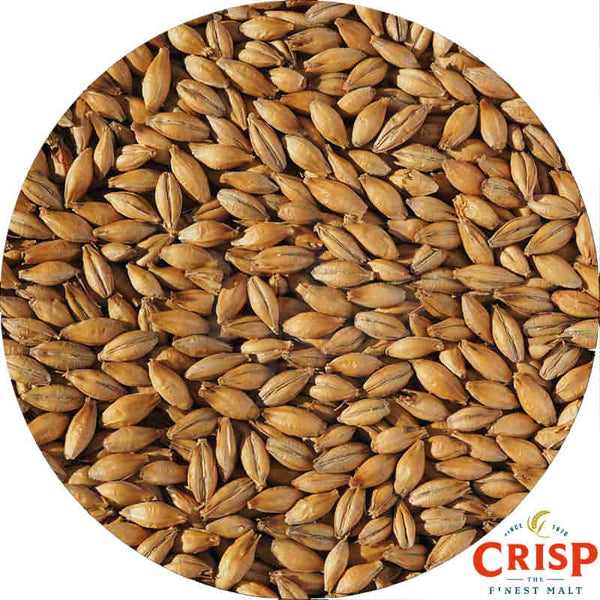
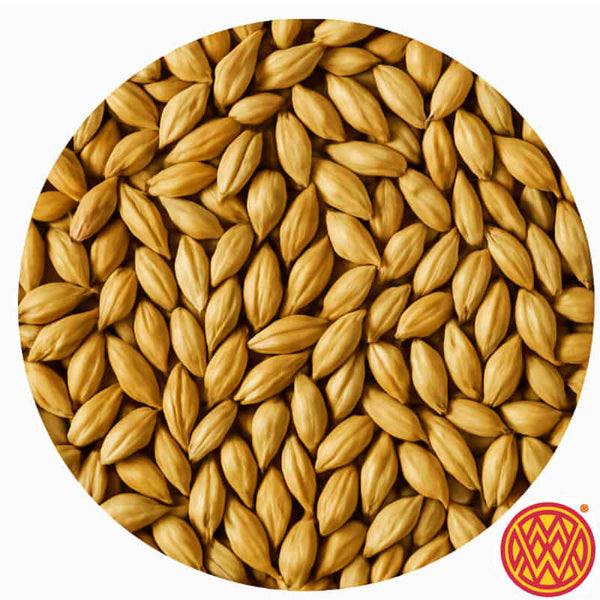
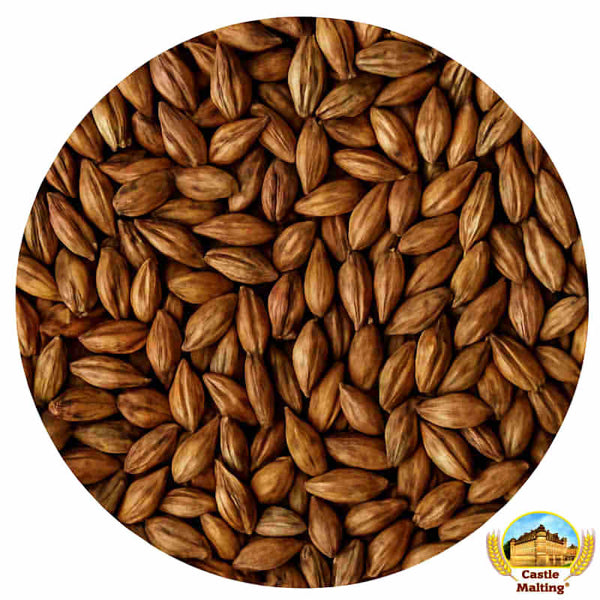
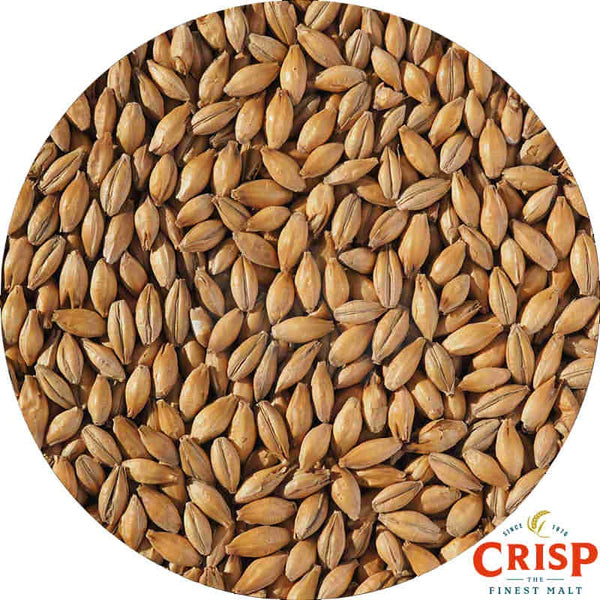
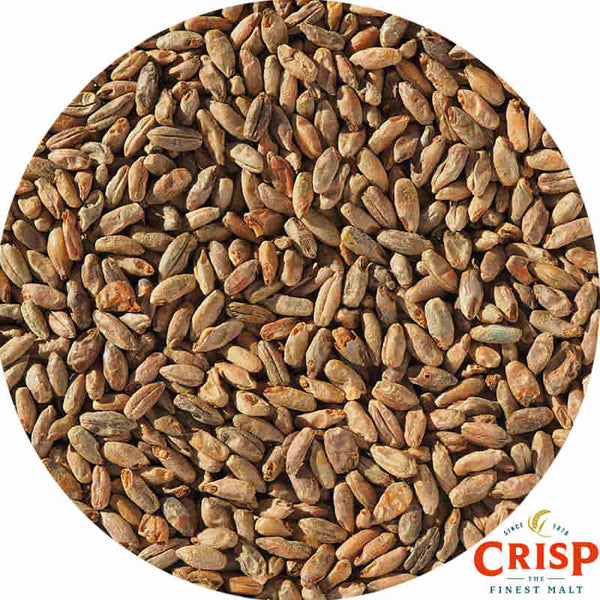
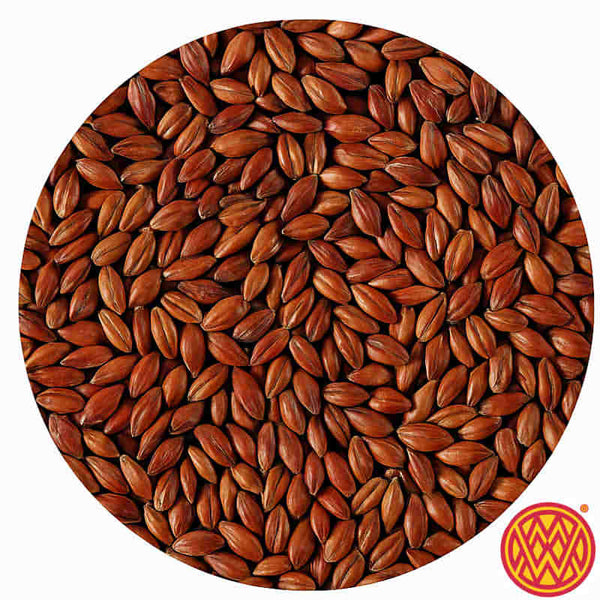
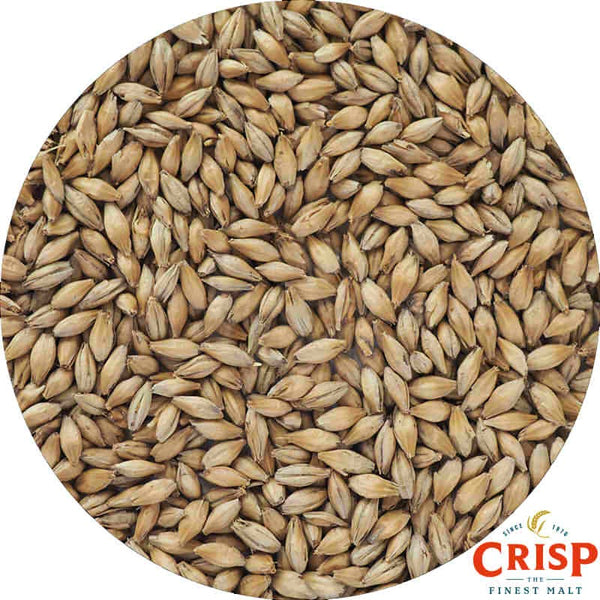
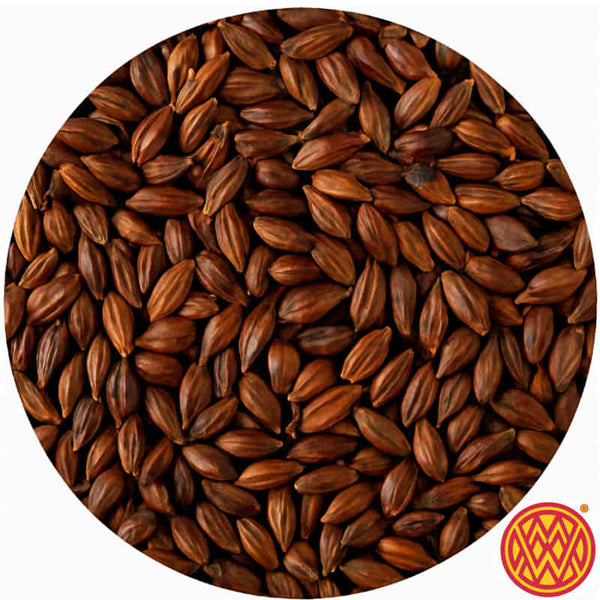
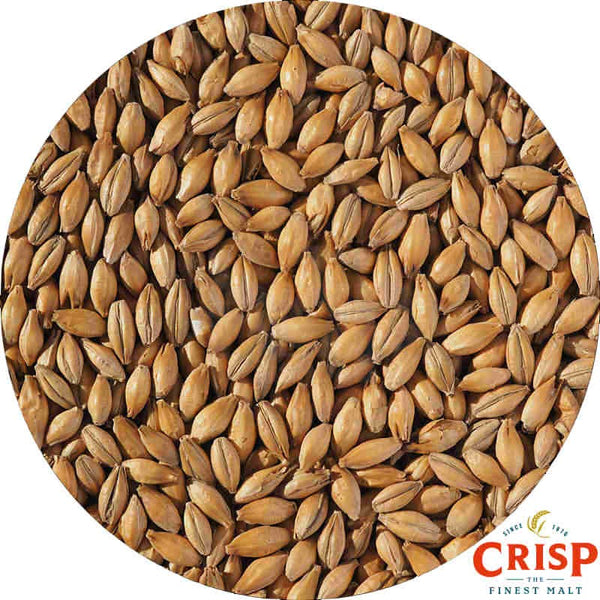
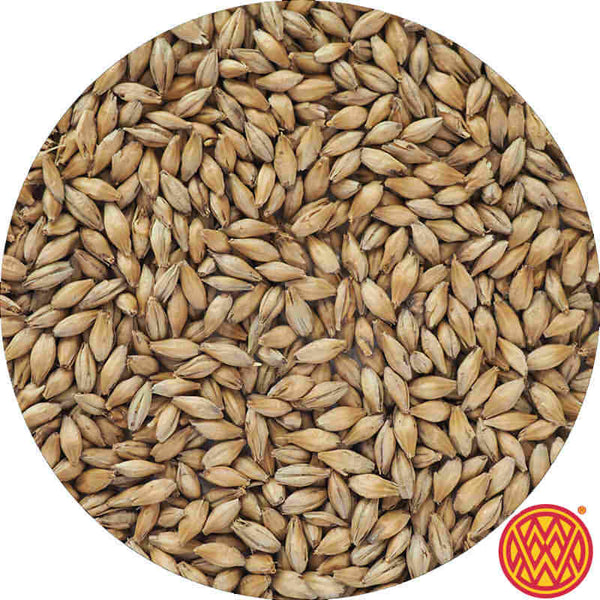
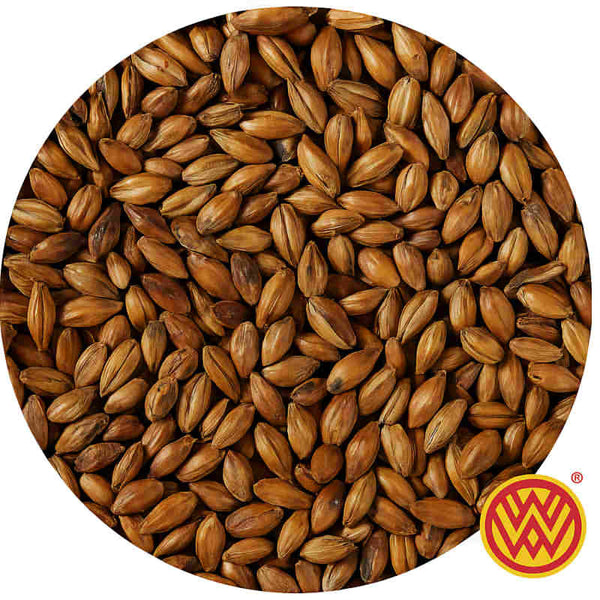
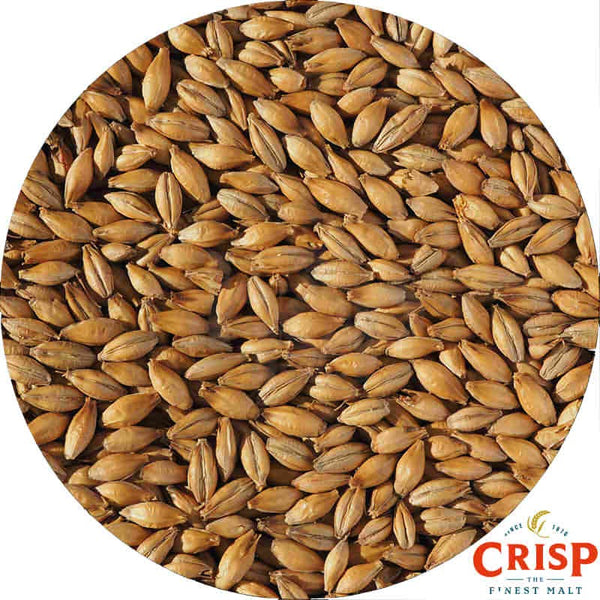
Shop malted grains for home brewing, including base malt, crystal and speciality malt, wheat malt, roasted malt and flaked brewing grains. Choose whole grain for milling at home or crushed grain when you want it ready for the mash.
Malt supplies the fermentable sugars used to make beer and contributes flavour, colour, aroma and body. Most all-grain recipes use a large proportion of base malt supported by smaller amounts of speciality grain.
Follow a tested recipe when choosing quantities. Malts with similar names can differ in colour and flavour between maltsters, so check the individual product specification rather than substituting purely by name.
These are general starting points, not fixed rules. The recipe, malt colour and intended strength determine the correct grain bill.
Whole malt stores well when kept cool, dry and airtight, but it must be milled before mashing. Crushed malt is convenient and ready to use, although it is best kept sealed and used reasonably fresh.
The crush should expose the inside of the grain while retaining enough husk material to support lautering. Do not grind malt into fine flour unless the brewing system or recipe specifically requires it.
Malted grain is mashed in water at controlled temperatures to extract fermentable sugars. Malt extract has already been mashed and concentrated, making it suitable for extract brewing. A beer kit provides an even simpler route because its malt extract is normally already balanced and hopped.
For a complete grain recipe, browse our all-grain beer kits. You can also find suitable systems and mash equipment in all-grain brewing equipment, then complete your recipe with brewing hops and beer yeast.
Malted grain is cereal grain that has been allowed to germinate under controlled conditions and then dried. This develops the enzymes and characteristics required for brewing.
Yes. Base malt normally needs to be mashed so its enzymes can convert starch into fermentable sugars. Follow the mash schedule in your recipe.
Only when following a suitable recipe. Some speciality grains can be steeped to add colour or flavour, but base malt requires a proper mash and not every beer kit benefits from extra grain.
Keep it sealed in a cool, dry place away from moisture, pests and strong odours. Whole grain generally keeps its quality longer than crushed grain.
Free Delivery over £70 T&C apply. Click for more information.

Orders under 2KG can be shipped with the Post Office
Tracked 24: 1–2 working days – £5.95
Tracked 48: 2–3 working days – £4.95

Orders over 2KG will be shipped with a courier
Express delivery: 1–2 working days – £6.95
Fully tracked service

Click & collect from our Plymouth shop – FREE
Ready within 2 hours
Delivery times listed above are estimates and are not guaranteed.